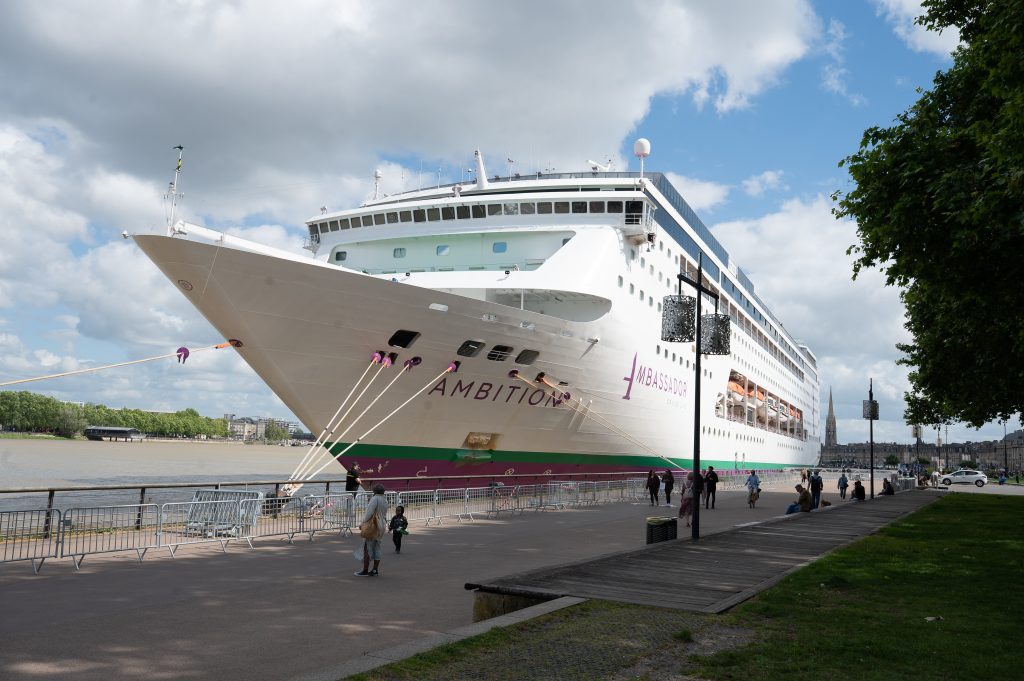
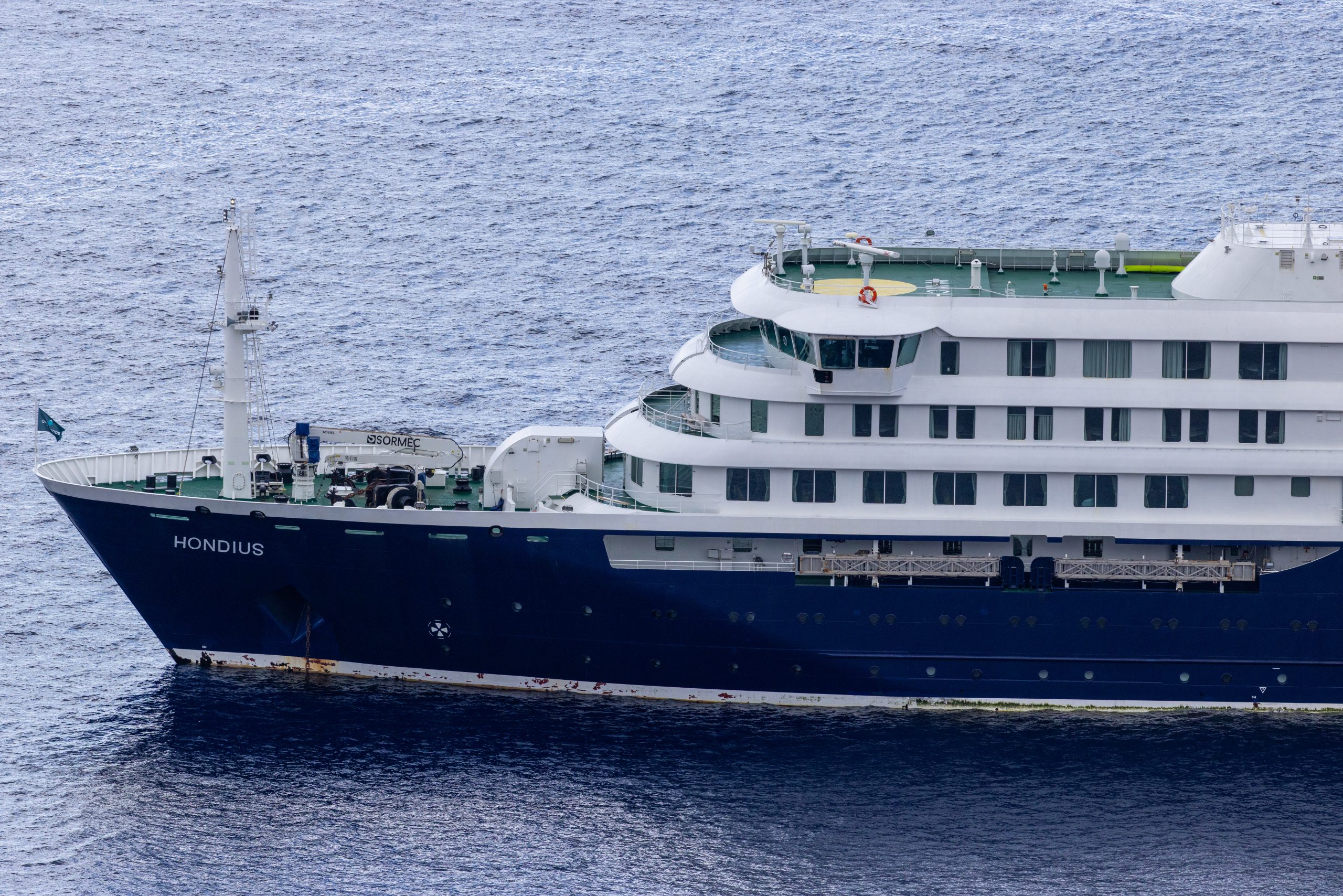
Cruise travel is steaming ahead despite recent outbreaks of hantavirus and norovirus that made headlines after cases on the MV Hondius and a British ship in Bordeaux, France. Industry experts like Rob Kwortnik and analysts such as Andrew Coggins and Bob Levinstein say bookings remain strong, and operators from Oceanwide Expeditions to Viking continue normal schedules. This piece looks at passenger reaction, industry numbers, and why cruising still draws new and experienced travelers.
News that three people aboard the MV Hondius died after the ship called in Argentina rattled some headlines, and a norovirus cluster on a British vessel docked in Bordeaux added to the chatter. Yet the industry’s trade group forecasted 38.3 million ocean passengers this year, up from a record 37.2 million last year, a sign companies expect continued growth. Those figures help explain why cruise lines and travel platforms aren’t sounding alarm bells.
Oceanwide Expeditions, which owns the MV Hondius, told customers it does not plan operational changes and still has a departure set from Keflavik, Iceland, on May 29. That kind of steady statement from a shipowner reassures agents and travelers who book months in advance. For many clients, a single incident isn’t enough to scrap long-planned holidays.
“The cruise consumer seems to be somewhat Teflon when it comes to stories like this,” said Rob Kwortnik, an associate professor at Cornell University’s Nolan School of Hotel Administration who watches the sector closely. His point is blunt: consumers hear the headlines but keep their trips on the calendar. Booking windows often stretch six months to a year, so what dominates today’s news rarely derails tomorrow’s reservations.
Seasoned cruisers echoed that sentiment. Jenni Fielding, who writes and posts as Cruise Mummy, said she’s already committed to many sailings and isn’t changing plans. “I have eight cruises booked, and I’ll absolutely be booking another,” she said. “Cruising is as safe as any other type of holiday, provided travelers follow sensible health advice and stay aware of official guidance.”
People currently aboard ships also report a calm atmosphere. Scott Eddy, a hospitality influencer currently docked in Monaco, said fellow passengers hadn’t brought up the hantavirus situation. “The average traveler understands that this is an isolated health situation and not something unique to cruise travel itself,” Eddy said, reflecting a common passenger view that isolated outbreaks don’t define the whole industry.
Online travel marketplace CruiseCompete reported a surge in early-May bookings, with CEO Bob Levinstein noting a 31.7% jump in cabins compared to the same stretch last year. “I can categorically say that we have not seen any drop in demand,” Levinstein said. Part of that confidence comes from how public health reporting rules work and how travelers interpret them.
Levinstein explained that the U.S. Centers for Disease Control requires ships to report when 3% or more of passengers show symptoms, and that threshold can make ships appear to have big outbreaks even when most guests are unaffected. On a 5,000-passenger ship, hitting 3% doesn’t necessarily translate to a visible or widespread problem for the majority of vacationers.
Analysts point out that timing matters. If you’re set to sail in the next few months you’re often beyond the refund window, which softens the near-term booking impact. “I think if there’s any impact on demand, it would be in the long term. If you’re cruising in the next few months, you’re past the point at which you can get your money back,” Andrew Coggins, a cruise industry analyst and professor at Pace University’s Lubin School of Business, said.
Coggins also noted how the hantavirus coverage evoked memories of the Diamond Princess in early 2020, when COVID-19 quarantined a ship and dominated headlines. The pandemic hammered the industry, shuttering many smaller operators and disrupting passenger flows, especially from China and Japan where volumes remain lower than pre-COVID levels. But demand elsewhere picked up fast once voyages resumed.
Viking, the Switzerland-based line, said its river cruises dipped briefly earlier this year amid global unrest but then rebounded, with most 2026 sailings already booked and a healthy chunk of 2027 on the books. Cruise lines are ordering new ships into the 2030s and beyond, signaling confidence in long-term demand. Companies want to add itineraries, amenities, and shorter, budget-friendly options to reach different age groups and incomes.
That broad appeal shows up in surveys. Bank of America research found Generation Z and millennials were among the most likely groups to plan cruises in the next year, and lower-income households increased cruise spending while cutting back on airfare and hotels. Shorter, cheaper itineraries are bringing new travelers aboard and changing the customer mix.
Value is a major selling point. Kwortnik points out that cruising bundles lodging, food, entertainment, and transportation in one fare, often undercutting the cost of staying in a single city like Miami. “On average, it costs more just to stay at a hotel in Miami than it does to sail on a cruise out of Miami – and the cruise includes lodging, multiple destinations, food, entertainment, and transportation all in the fare,” he said, summing up why travelers keep choosing ships.
Short booking windows and strong loyalty programs also help cushion the industry from short-term scares, with many travelers sticking to plans or rebooking quickly. Cruise operators and booking sites say they monitor health guidance closely, update protocols as needed, and keep customers informed. For most passengers, the combination of perceived value, excitement about destinations, and confidence in operators outweighs isolated health headlines.