The White House was directly involved in acting Attorney General Todd Blanche’s order to formally rescind the president’s $1.8 billion ‘anti-weaponization’ fund, multiple sources familiar with the matter told CNN. White House chief of staff Susie Wiles and the director of legislative affairs, James Braid, were ‘deeply involved’ in the process, one official said.
Background
Blanche worked with the White House throughout the process, and kept top officials briefed on the negotiations and the key sticking points. President Donald Trump was aware of the deal struck between Blanche and the two key holdout Senate Republicans on his nomination, John Cornyn and Thom Tillis, to formally rescind the controversial fund and limit a prior agreement with the IRS regarding tax investigations into the president and his family members to retroactive actions.
Trump, however, made clear on Monday that he did not personally review the deal, telling reporters in the Oval Office, ‘I didn’t look at it.’ ‘I understand there’s been a sign-off, but I don’t know what they agreed,’ he said, adding that his understanding was that Blanche ‘agreed to reconfirm things that he’s already said.’ Trump said he viewed the fund ‘as a positive,’ but said there were no other plans to revive it through another mechanism.
Deal Details
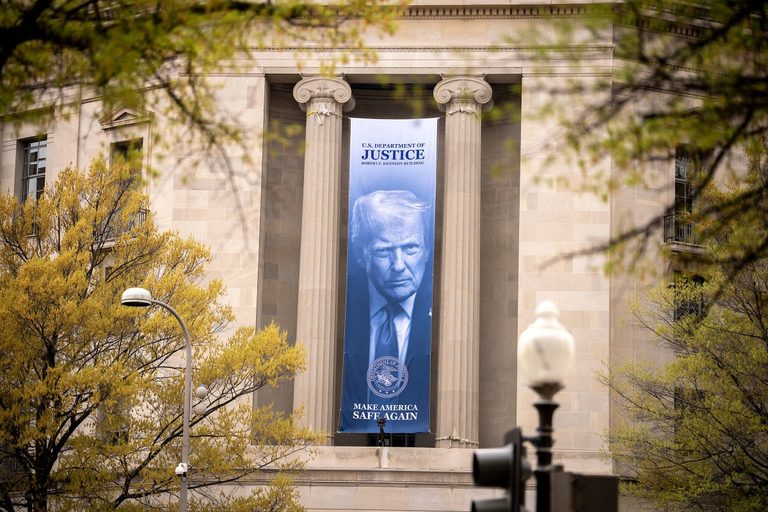
Blanche published two documents in a post on X to announce that a deal had been reached. The first document is a signed memo stating the Justice Department was formally rescinding the order that established the ‘anti-weaponization’ fund, and the second was an unsigned statement clarifying the terms of the IRS protections. Tillis and Cornyn quickly confirmed their approval of the deal.
Blanche said in his memo that the fund ‘shall have no force or effect’ and that the memo ‘establishes, beyond any doubt, that there is no Fund.’ He also credited ‘good faith discussions’ with the senators.
Original reporting: KRDO (Colorado Springs metro) — read the source article.