Tucked into the historic McKennan Park neighborhood on Duluth Avenue, the Pettigrew Home & Museum is the kind of place that stops you mid-stride and makes you rethink everything you assumed about a mid-sized Midwestern city. This isn’t a dusty, rope-off-everything kind of museum. It’s a living, breathing Victorian-era home that tells the full, complicated, fascinating story of Sioux Falls — and of the region’s first U.S. Senator, Richard Franklin Pettigrew, a man who was equal parts visionary, collector, and provocateur.
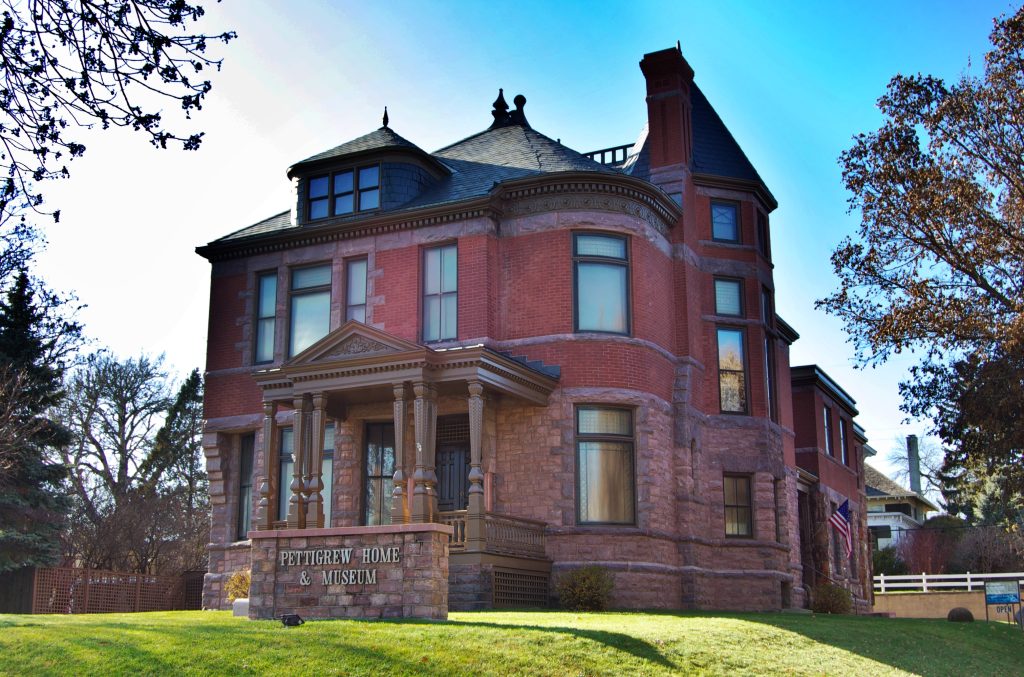
The house itself is worth the visit before you even step inside. Built in 1889 in the Queen Anne style, it sits behind a wrought-iron fence with the kind of architectural confidence that says, yes, something important happened here. The turret, the wraparound porch details, the warm brick exterior — it all feels like a portal to a Sioux Falls that most visitors never knew existed. And honestly, most locals haven’t thought about it enough either, which makes discovering it feel like a genuine find.
Once you’re inside, the museum does something clever: it layers natural history, Native American culture, and regional political history all under one roof. Pettigrew was a relentless collector, and his acquisitions ranged from Dakota Sioux beadwork and artifacts to geological specimens, taxidermied animals, and political ephemera. The collections are surprisingly deep, and the curatorial staff does a thoughtful job of contextualizing the pieces — particularly the Native American artifacts, which are presented with real care and cultural respect.
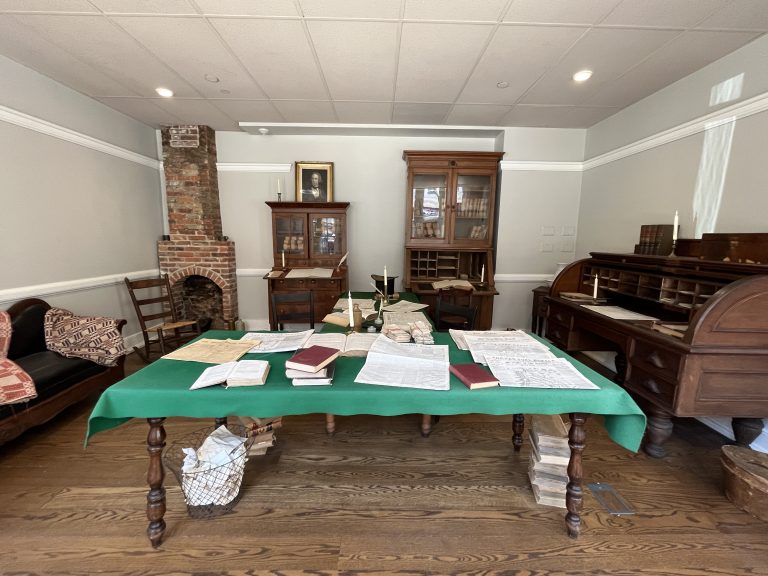
The period rooms on the main floor are beautifully restored. You get a genuine sense of how an upper-class family lived in the Great Plains at the turn of the 20th century — the parlor furniture, the china, the heavy drapes that keep the summer heat at bay. It’s immersive without being kitschy, which is a harder balance to strike than most people realize.
What really sets the Pettigrew apart, though, is the story of the man himself. Pettigrew started out a classic Gilded Age booster — promoting Sioux Falls land, attracting railroads, building wealth. But by the end of his career he had become a fierce anti-imperialist and a thorn in the side of the Republican establishment. The exhibits don’t shy away from that complexity, and that intellectual honesty makes for a much more interesting afternoon than a sanitized hero’s tale would.
Admission is free, which feels almost too generous given the quality of what’s inside. The museum is open Tuesday through Saturday, and the staff is genuinely knowledgeable and happy to point you toward the highlights if you’re short on time. Plan for at least ninety minutes, though two hours goes quickly here.
If you’re building a Sioux Falls itinerary and want something that rewards curiosity and gives you real context for this region’s layered history, the Pettigrew Home & Museum belongs near the top of your list. It’s the kind of place you tell people about when you get home.