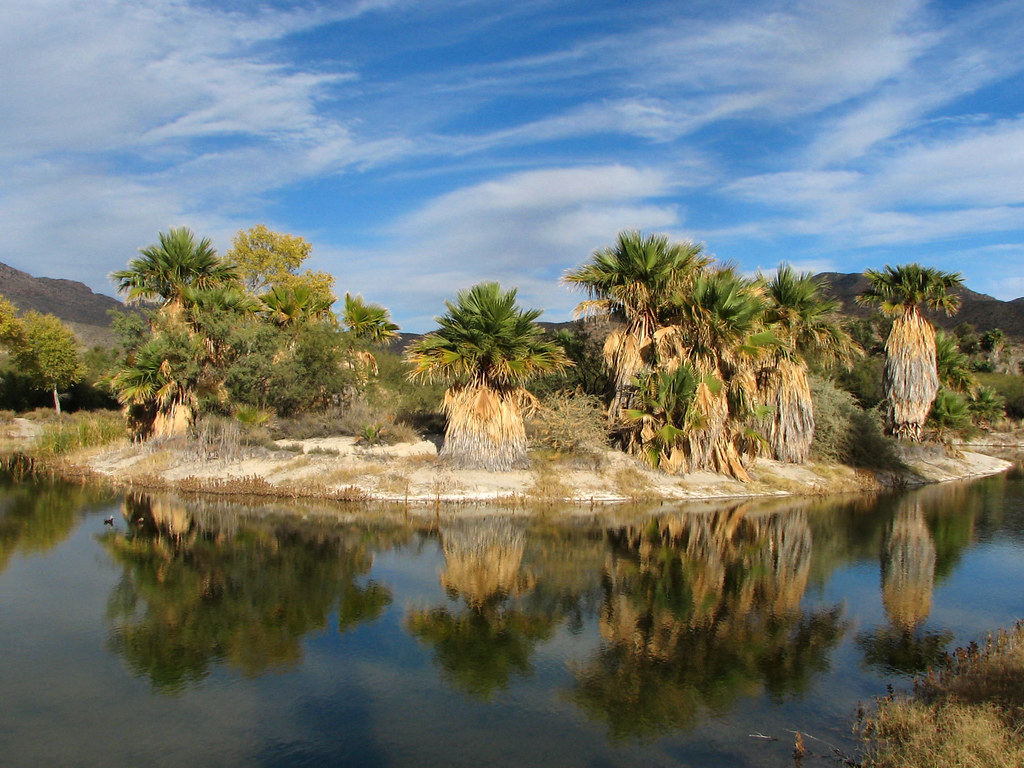
There is a place on the far northeast edge of Tucson where the desert does something it almost never does: it exhales. Warm spring water bubbles up from beneath the earth, feeding a lush oasis of cottonwoods, willows, and cattails that feels genuinely, almost impossibly, out of place against the surrounding scrub and saguaro. That place is Agua Caliente Regional Park, and if you have not yet spent a slow morning wandering its paths, you are missing one of the most quietly spectacular experiences this city has to offer.
Tucked away in the Rancho Vistoso corridor near the base of the Rincon Mountains, Agua Caliente — Spanish for “hot water” — takes its name from the thermal springs that have drawn people to this spot for centuries. Long before it became a Pima County regional park, this land served as a gathering place for the Hohokam people, later as a homestead ranch, and briefly as a health resort in the early twentieth century when visitors came seeking the restorative warmth of the natural spring water. The adobe ranch house from that era still stands near the main pond, giving the park a layered, storied quality that goes well beyond a pleasant afternoon walk.
And what a walk it is. The centerpiece of the park is a series of ponds fed by the natural springs, and these ponds are genuinely extraordinary for wildlife watching. Great blue herons stand motionless at the water’s edge like sentinels. Vermilion flycatchers — brilliant red birds so vivid they look almost artificially colored — dart between the rushes. In winter, the ponds attract buffleheads, ring-necked ducks, and other migratory waterfowl that have no business being in the Sonoran Desert but show up faithfully every year. Birders from across the region make Agua Caliente a regular pilgrimage stop, and on a good morning you might log twenty or thirty species without ever leaving the main loop trail.
The trails themselves are gentle and accessible, looping around the ponds and through groves of native trees that provide real shade — a rare luxury in the desert. There is a palm grove near the historic ranch house that gives the park an almost tropical pocket, and the contrast between that lush, humid corner and the open desert hillsides just beyond it is the kind of thing that reminds you why Tucson is unlike anywhere else in the country.
Admission to Agua Caliente is free, parking is easy, and the park is open year-round. Morning visits are best, both for cooler temperatures and peak bird activity, but the late afternoon light here turns everything golden in a way that makes you want to sit on a bench and simply stay a while. Bring binoculars if you have them, wear comfortable shoes, and leave the agenda at home. Agua Caliente has a way of slowing time down, and that, more than anything else, is exactly what a place like this is for.
You will find Agua Caliente Regional Park at 12325 E. Roger Road, on Tucson’s northeast side. It is the kind of place that earns a return visit every season, because every season it shows you something different. Spring brings nesting birds and wildflower color. Summer afternoons hum with dragonflies over the water. Fall turns the cottonwoods gold. Winter delivers migratory visitors that seem like gifts. Go once and you will understand why the locals who know about it tend to keep coming back.