There are places you visit and places that genuinely move you. The Harriet Beecher Stowe House in Cincinnati’s Walnut Hills neighborhood falls squarely into the second category, and I’d argue it deserves a spot on every thoughtful traveler’s itinerary in this city.
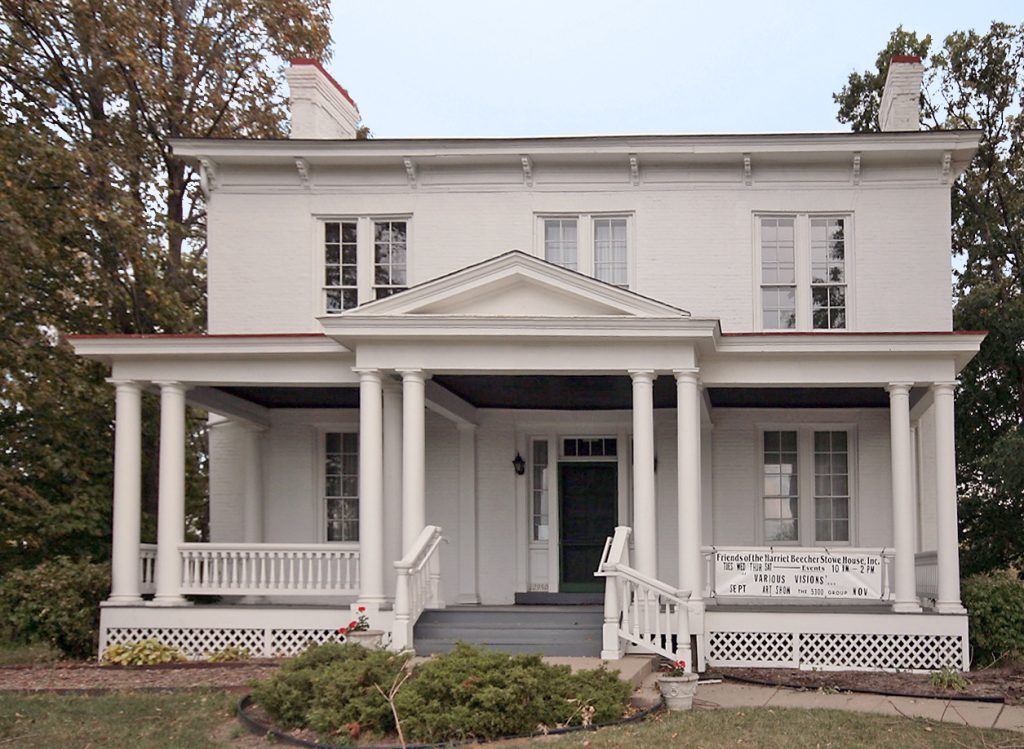
The house itself is a modest, handsome Federal-style structure on Gilbert Avenue, and stepping through its front door feels less like entering a museum and more like walking into a chapter of American history that still has something urgent to say. This is where Harriet Beecher Stowe lived from 1832 to 1850, the formative years during which she absorbed the raw, harrowing realities of slavery — watching freedom seekers cross the Ohio River just miles away, hearing firsthand accounts from people who had risked everything for liberty. It was here, in this house and in this city, that the seeds of Uncle Tom’s Cabin were planted.
What makes a visit here so rewarding is the depth of context the staff provides. The guides are genuinely passionate historians, not rote recitors of bullet points. They walk you through the rooms with a conversational ease that brings Stowe’s world to life — her daily routines, her relationships with the local Black community, her evolving moral convictions. You come away understanding not just who Harriet Beecher Stowe was, but why Cincinnati was the specific crucible that shaped her thinking.
The house also tells a broader Cincinnati story. Positioned directly across the river from Kentucky, this city was one of the most contested zones of the antebellum era — a free-state city with deep commercial ties to the South, a place of extraordinary tension and extraordinary courage. The Stowe House puts you right at the center of that tension in a way that no textbook ever quite manages.
The museum is small enough to feel intimate but rich enough to hold your attention for a full ninety minutes. There are rotating exhibits that dig into the local Underground Railroad network, the lives of Cincinnati’s free Black residents, and the lasting literary and political impact of Stowe’s writing. Children engage with it, too — the staff has a real gift for making the material accessible without dumbing it down.
Admission is genuinely affordable, parking on Gilbert Avenue is easy, and the surrounding Walnut Hills neighborhood is worth exploring on foot afterward. Grab lunch nearby and let the morning’s reflections settle in over a good meal.
Cincinnati has no shortage of worthy attractions, but the Harriet Beecher Stowe House offers something rarer than novelty — it offers genuine meaning. Come prepared to listen, and you’ll leave with a fuller understanding of this city, this country, and the stubborn, necessary work of conscience.