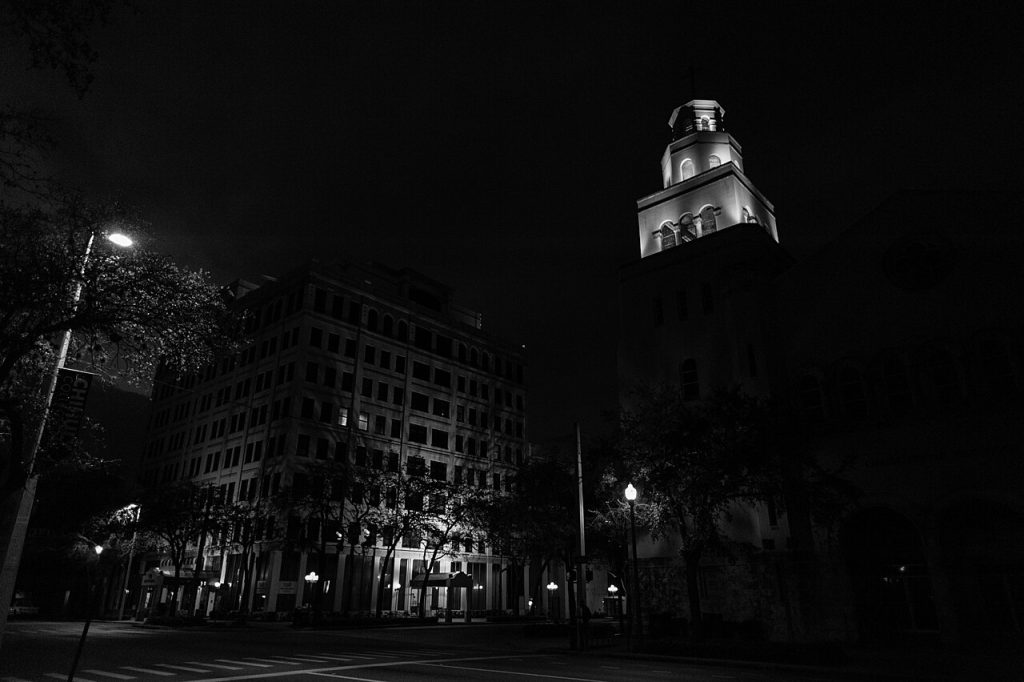
There are museums that inform you, and then there are museums that quietly change you. The Florida Holocaust Museum, tucked into the heart of downtown St. Petersburg on Fifth Street South, falls squarely into that second, rarer category. I walked in on a bright Tuesday afternoon expecting to spend an hour. I stayed for nearly three.
Founded in 1992 and now recognized as one of the largest Holocaust museums in the United States, the Florida Holocaust Museum — known locally as the FHM — carries a mission that feels more urgent with every passing year: to teach the lessons of the Holocaust and to promote tolerance, responsibility, and respect for all people. That mission is not printed on a plaque and forgotten. You feel it in every gallery, every artifact, every carefully lit photograph.
The permanent collection is anchored by a genuine railcar — a wooden freight car of the kind used to transport Jewish prisoners across Nazi-occupied Europe to concentration camps. Standing beside it is a genuinely humbling experience. The car is not behind glass, not roped off at a theatrical distance. You can walk up to it, place your hand on the weathered wood, and reckon with what that means. I watched a teenager do exactly that, and the look on his face told me the museum was doing its job perfectly.
Beyond the railcar, the galleries move you through the rise of the Third Reich, the lives of Jewish communities before the war, the mechanisms of the Holocaust itself, and — critically — the stories of survivors. The FHM has one of the most robust survivor testimony archives in the country, and several first-person video accounts are woven throughout the exhibits. Hearing someone describe their own experience in their own words is something no textbook can replicate.
The museum also devotes significant space to stories of resistance and rescue, to the Righteous Among the Nations, and to post-war life. It does not leave you in darkness. There is a deliberate arc here — from devastation toward resilience — and the curatorial team handles that balance with genuine care.
Rotating exhibitions keep the experience fresh for return visitors. Recent shows have explored art created in the camps, the refugee experience across history, and contemporary antisemitism — topics that land with a relevance that is impossible to ignore.
Admission is reasonably priced, parking is easy along the surrounding streets, and the staff are among the most knowledgeable and welcoming I have encountered at any museum in Florida. The gift shop offers thoughtful books and educational materials rather than the usual tourist trinkets.
If you are spending time in St. Petersburg — whether for a weekend or a week — the Florida Holocaust Museum deserves a place on your itinerary. Not because it is easy, but because it matters. And because the city of St. Pete has always been at its finest when it makes room for stories that need to be told.