I’ll admit that when someone first suggested I spend an afternoon at the International Quilt Museum on the University of Nebraska–Lincoln’s East Campus, I wasn’t entirely sure what to expect. What I found was one of the most genuinely surprising and visually arresting museum experiences I’ve had anywhere in the country — and I’ve been to a lot of museums.
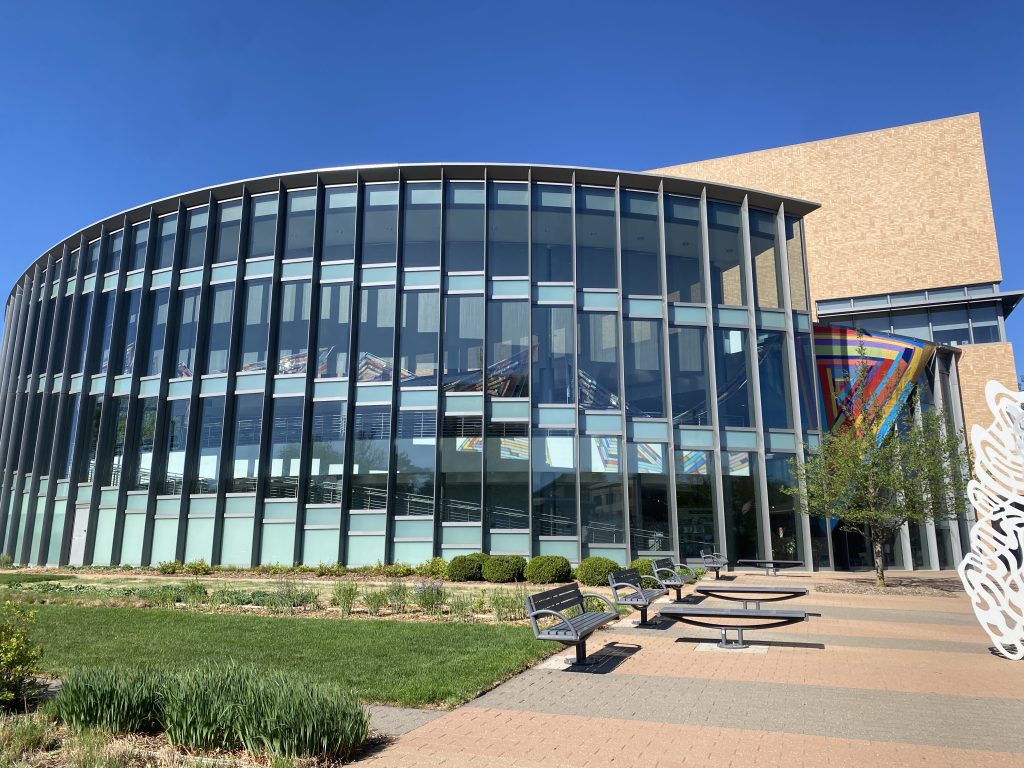
Tucked into a striking contemporary building at 1523 N. 33rd Street, the International Quilt Museum holds the largest publicly displayed quilt collection in the world. That’s not a regional boast or a polite exaggeration — it is a documented fact, and the moment you step inside, the scale of that achievement becomes immediately and beautifully apparent. With more than 6,500 quilts in the permanent collection representing over 50 countries and spanning four centuries, this place operates at a level that would make curators at major metropolitan institutions take notice.
The museum rotates its galleries regularly, so no two visits are quite the same. On my last trip, I wandered through a gallery of bold, graphic Amish quilts — their deep jewel tones and precise geometric patterns feeling almost aggressively modern despite being made a century ago. Just around the corner, a collection of intricate Hawaiian quilts told an entirely different story, rich with symbolic flora and layered cultural meaning. The curators do an exceptional job of providing context without overwhelming you, so whether you know a running stitch from a chain stitch or you’ve never threaded a needle in your life, you’ll find your footing quickly.
What really sets this place apart from a standard textile museum is how seriously it treats quilts as art. These aren’t folksy curiosities behind dusty glass. They’re hung with the same care and intentionality you’d find at a fine art gallery, and the building itself — with its soaring ceilings and generous natural light — gives every piece room to breathe. The architecture was designed specifically for the collection, and it shows.
Plan to spend at least two hours here, more if you’re the type who reads every placard. There’s also a well-stocked museum shop where you can pick up books, patterns, and handmade goods that make for genuinely thoughtful souvenirs. Admission is modest, and on certain days the museum offers free entry, so it’s worth checking their website before you go.
East Campus is a quieter, greener corner of Lincoln that most visitors never make it to, which only adds to the sense that you’ve found something worthwhile off the usual path. After your visit, the neighborhood is pleasant for a short walk, and you’re only a fifteen-minute drive from downtown if you want to follow up with lunch in the Haymarket district.
Whether you have a deep personal connection to quilting or simply an appetite for unexpected beauty, the International Quilt Museum earns every bit of the detour. Lincoln has a habit of surprising people, and this place is one of its very best examples of that.