There is a moment, usually somewhere between the smell of fresh espresso drifting out of a century-old brick doorway and the sound of live jazz echoing off cobblestone, when Toledo’s Warehouse District stops feeling like a neighborhood and starts feeling like a discovery. That moment happened to me on a Tuesday afternoon, and I have been going back ever since.
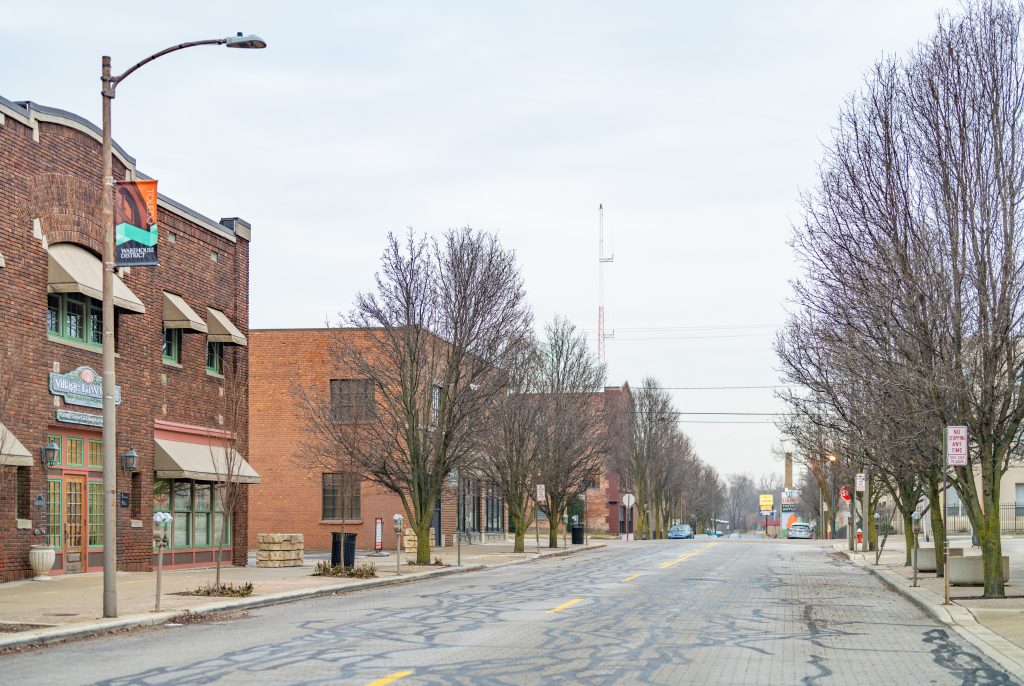
Tucked along the banks of the Maumee River in downtown Toledo, the Warehouse District is one of those rare urban pockets that managed to hold onto its bones. The hulking cast-iron facades and weathered loading dock doors that once moved goods across the Great Lakes now frame galleries, cocktail lounges, independent boutiques, and some of the most interesting dining in northwest Ohio. The architecture alone is worth the trip — richly textured red brick buildings from the late 1800s and early 1900s that feel genuinely alive rather than museum-piece preserved.
Start your visit on Summit Street, which serves as the district’s informal main corridor. On a weekend afternoon, you will find the sidewalks busy but never overwhelming. Pop into one of the rotating art galleries that occupy the ground floors of former warehouse spaces — the ceilings are outrageously tall, which gives even modest exhibitions a cathedral-like gravitas. Local painters, sculptors, and photographers show work here that you simply will not find in any gift shop, and the gallery owners are almost always on hand and happy to talk.
When you are ready to eat, the district delivers. Several chef-driven restaurants have planted roots here specifically because the neighborhood attracts the kind of diner who wants something thoughtful on the plate. Seasonal menus, locally sourced proteins, and creative cocktail programs are the standard rather than the exception. Grab a table by a tall warehouse window and watch the light shift over the river as the evening comes in — it is genuinely beautiful.
After dinner, the district transitions effortlessly into a nightlife destination. Live music venues and intimate bars take over, drawing a crowd that spans generations — retired professionals who remember when these buildings actually functioned as warehouses, creative types in their twenties renting studio space upstairs, and visitors from out of town who stumbled in and decided to stay awhile. That mix of people is part of what makes the neighborhood feel so authentic.
Parking is easy on evenings and weekends in the surrounding surface lots, and the district is flat and walkable from one end to the other. Plan two to three hours at minimum, though most people find themselves staying considerably longer. Toledo’s Warehouse District does not demand your attention — it earns it, quietly and convincingly, one beautiful old building at a time.