There is a particular kind of quiet that settles over you when you are standing knee-deep in moving water, watching a fly line unspool against a pale Texas morning sky. That quiet is available to you right now, roughly forty minutes from downtown Dallas, along the East Fork Trinity River as it winds through the western edge of Wylie. Most people drive past this corridor without a second glance. That is precisely what makes it so worthwhile.
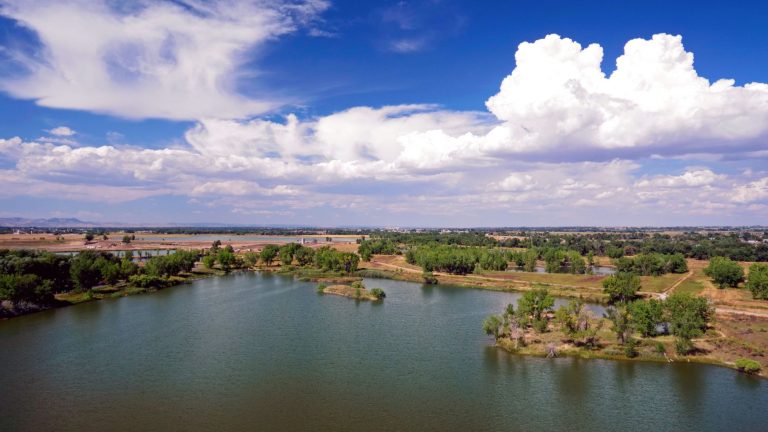
The East Fork Trinity is not a trophy fishery with a gift shop and a waiting list. It is a working Texas river — sandy-bottomed in places, lined with cottonwoods and willows, populated by largemouth bass, sunfish, and the occasional channel catfish that has been navigating these bends far longer than any of us. What makes fly fishing here genuinely special is the accessibility combined with the solitude. You can park off Eubanks Lane or find gravel pull-offs near the FM 544 corridor, wade in, and within minutes feel like you are the only person on earth who knows this stretch exists.
The river runs clearest in late spring and again in the cooler months of October through December, which happen to be the most pleasant times to stand outside in North Texas anyway. Early mornings are best — bass feed aggressively in low light, and the herons that work these banks will show you exactly where the shallows hold bait fish if you pay attention. A size 4 woolly bugger in olive or black is a reliable starting point, though locally tied poppers in summer will draw surface strikes that feel completely out of proportion to the surroundings.
You do not need a guide, though Dallas-area fly shops like Backwoods in Plano are happy to point you toward productive runs and current conditions. A Texas fishing license covers you, and a pair of lightweight wading boots over neoprene socks is all the gear you truly need beyond the rod. The bottom is forgiving — no sharp limestone shelves, mostly sand and gravel — which makes this an ideal stretch for anglers who are newer to wading rivers on foot.
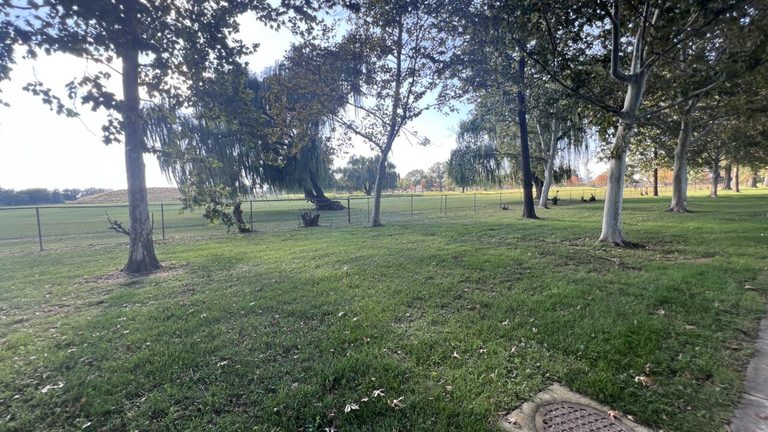
What surprises most first-timers is how quickly the surrounding neighborhoods disappear once you step into the river corridor. The canopy closes overhead, red-winged blackbirds argue in the reeds, and the ambient hum of the DFW metroplex softens to almost nothing. You are still in Wylie. You are also, somehow, a long way from everywhere else.
If you have been meaning to try fly fishing, or if you are a seasoned angler looking for a low-pressure morning that does not require a long drive or a boat ramp, this is the stretch of water worth finding. Pack a lunch, bring plenty of water, and plan to stay longer than you originally intended. You almost certainly will.