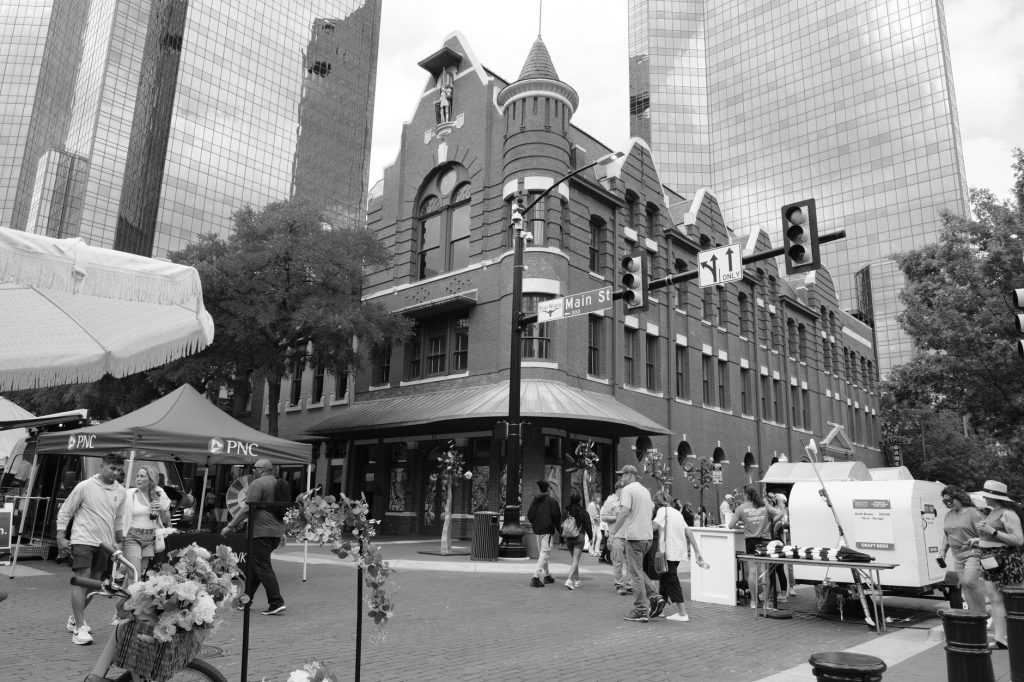
What is Magnolia Avenue, anyway? A bar strip? A food corridor? A neighborhood slowly figuring itself out? Spend an afternoon walking it and you’ll get different answers from different blocks, which is probably the most honest thing you can say about it.
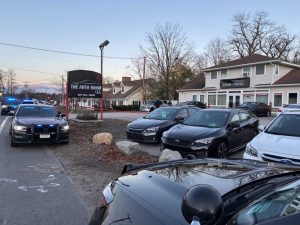
The Fairmount Historic District sits just south of downtown, running roughly along Magnolia between Henderson and Hemphill. It’s one of Fort Worth’s older residential neighborhoods — late Victorian and Craftsman bungalows packed tight on tree-lined streets — and the commercial strip on Magnolia has become the place where that old housing stock and a newer food-and-drink energy rub up against each other without either side winning. That tension is, against all odds, interesting.
The street has enough restaurants now to constitute a destination. Curly’s Frozen Custard on the east end has been there long enough to feel institutional. Yucatan Taco Stand does exactly what the name implies, and does it reliably. For something slower and more deliberate, Fixture Kitchen and Social Lounge — wait, that’s excluded. The point stands: options have multiplied enough that you can eat dinner, get a drink, and walk to a second place without unlocking your car.
What keeps Magnolia from feeling like a manufactured dining district is the residential fabric around it. The bungalows are real. People actually live in them. On weekend evenings you’ll see residents walking dogs past the patio crowds, which creates a less performative atmosphere than you get in purpose-built entertainment zones. Nobody’s putting on a show. The street doesn’t have a marketing budget.
The neighborhood association has pushed hard over the years to keep the scale human — no massive developments swallowing half the block, no chains that would instantly bleach the character out. That’s held, mostly. The businesses that survive here tend to have a specificity to them, a reason to exist beyond square footage and visibility.
If you’ve never walked it, go on a weekday evening in October or November when the temperature stops being aggressive. Park somewhere on Fairmount Avenue or Park Place and walk toward Magnolia. The side streets are worth five minutes of your time — the porch architecture alone makes a reasonable argument for why people fought to preserve this neighborhood when it was declining in the 1980s and 1990s. There’s a local preservation organization, Preservation Fort Worth, that has documented a lot of this history if you want to go deeper than a casual stroll.
Budget for dinner runs whatever you want it to — casual spots on Magnolia can keep you under twenty dollars, the nicer ones closer to fifty if you’re ordering cocktails. Parking is free on the street and not usually a crisis unless you’re arriving for a big weekend night. The neighborhood is walkable by Fort Worth standards, which means: walkable.
The straightforward answer to what Magnolia Avenue is: it’s a real neighborhood commercial strip that managed to stay interesting. That sounds like a low bar. In a city that has paved and franchised its way through several similar corridors, it isn’t.