CHARLESTON, W.Va. – West Virginia’s Hope Scholarship program has expanded dramatically, according to the state treasurer’s annual report released this week. The voucher initiative, which began four years ago with roughly 2,300 students, served almost 15,000 learners last school year – more than six times the original enrollment.
Program composition and future projections
Treasure Larry Pack noted that about six‑in‑ten scholarship recipients attended a private school, while nearly four‑in‑ten used an individualized instructional plan that can include homeschooling or other approved education options. Pack said the program is expected to level out at around 30,000 students, estimating future enrollment at 25,000‑26,000 before stabilizing.
Impact on public schools
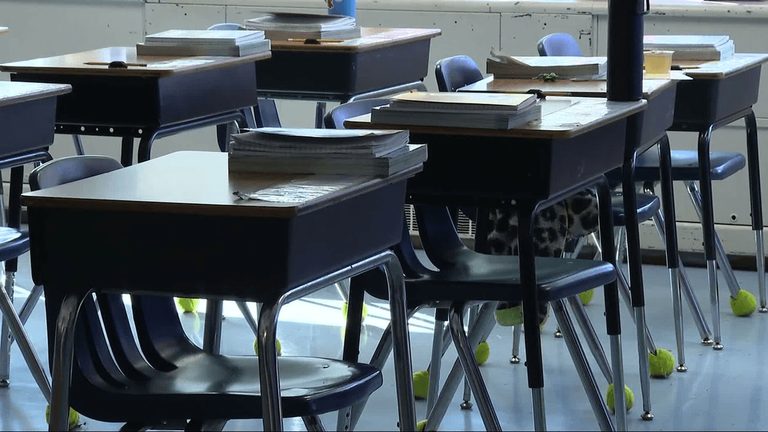
State education data show public schools lost 8,270 students this year, but the report does not specify how many left for the Hope Scholarship. Teachers’ union officials argue the loss is significant and call for clearer accounting.
Education West Virginia co‑president Dale Lee emphasized the need for “guardrails” on the scholarship. He cited county‑level figures: “Berkeley County had 500 students leave to go to the Hope Scholarship. Marion County saw 230 leave, and Roane County lost 230 students, with 100 of those identified with the Hope Scholarship.” Lee described the shift as a “major factor” affecting public‑school funding.
Spending concerns
Lee also raised concerns about how scholarship funds are used, noting that a cheerleading and gymnastics school received almost $63,000. “That is really troublesome to me when our own public‑school kids, our cheerleaders who are taking gymnastics, the parents are generally paying for that out of their own pockets,” he said.
Administration response
Pack defended the program’s flexibility, stating, “I think the state can afford the $160 or $170 million for Hope, but there’s no question we’ve got to do more things to help our public‑school system.” He added that the growing conversation around the scholarship reflects a desire to balance choice with support for traditional schools.
Family satisfaction
Of the nearly 900 families who answered a program survey, 96 % reported satisfaction with the Hope Scholarship. The survey measured respondents’ experience with the program but did not compare academic outcomes between Hope students and public‑school peers.
What’s next?
State officials say the discussion will continue as the program approaches its projected ceiling. Lawmakers and education advocates are expected to debate potential adjustments to the funding formula and oversight mechanisms to ensure both school‑choice flexibility and the stability of public‑school resources.
Original reporting: WCHS Eyewitness News Charleston (local) — read the source article.