The Culinary Union, long‑time champion of Nevada hospitality workers, used a Tuesday news conference in Las Vegas to press Station Casinos to negotiate a contract after a Supreme Court denial of a pause on lower‑court orders. Gubernatorial candidate Aaron Ford and Nevada’s three Democratic members of Congress, including union‑member Rep. Steven Horsford, stood with union secretary‑treasurer Ted Pappageorge to deliver a clear message: “It’s time to lay down the sword and pick up the pen.”
Background of the dispute
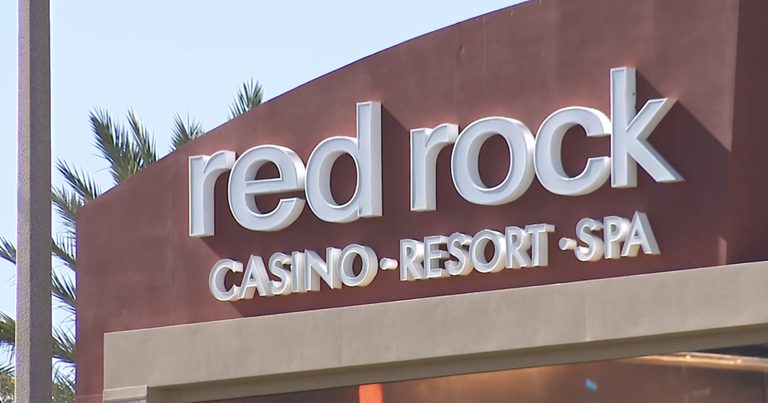
Station Casinos has faced unionization efforts for decades, from early attempts at the Frontier hotel‑casino to a 20‑year campaign at The Venetian and Palazzo that ended in 2024 without a contract. The most recent flashpoint began in 2019 when the Culinary prepared a federally supervised election at Red Rock Casino, Resort & Spa. Before the vote could occur, Station offered a generous benefits package, and when the election finally took place, workers rejected the union.
The union argued that Station’s tactics violated the National Labor Relations Act. The National Labor Relations Board (NLRB) agreed, and both the district court and the D.C. Circuit Court of Appeals upheld the board’s decision, ordering Station to bargain with the Culinary. Station appealed to the U.S. Supreme Court, seeking a stay of the lower‑court mandates, but Chief Justice John Roberts denied the request.
Union’s response and calls for negotiation
Pappageorge called the Supreme Court’s denial a “monumental victory” for workers and urged Station to sit down with its legally elected representation. “Station Casinos is the third‑largest gaming company in the state. It is a morally right thing for them to negotiate a fair contract with their workers,” he said.
Workers like Jennifer Hanson, a longtime Red Rock employee who lost her job during the pandemic, echoed the union’s plea. Hanson, who has three children also employed by the company, said, “I’m hoping they do the right thing and we can finally sit down and negotiate a good contract.” She added that her co‑workers want better pay, less pressure from management, and the ability to organize without retaliation.
Station Casinos’ position
In a lengthy statement, a Station spokesperson reiterated the company’s objection to the NLRB decision, arguing that the board’s ruling unfairly overturns a “clear, free, and open vote” by Red Rock team members who rejected the union. The company maintains that it will comply with court orders while continuing to seek judicial review of the NLRB and D.C. Circuit decisions.
Station also highlighted its accolades, noting recognition by Forbes and Statista as one of America’s Best Large Employers of 2026, a top workplace award from USA TODAY, and consistent rankings as a leading Nevada employer. The statement emphasized that the company’s “best‑in‑class” benefits are intended to reward employees, not undermine union efforts.
Local impact and community perspective
Station Casinos markets many of its suburban properties in Las Vegas and Henderson as “local” destinations, offering free parking, restaurants, and movie theaters. However, some employees, like Hanson, question the company’s “we love locals” slogan when unionized workers feel excluded. “It’s hard for me because maybe they only love locals that are not union,” she said.
The dispute touches on broader concerns for Nevada’s hospitality workforce, which relies heavily on union representation for wages, benefits, and job security. A negotiated contract could set a precedent for other local casinos and reinforce the Las Vegas standard for fair labor practices.
What’s next?
With the Supreme Court refusing to stay the lower‑court orders, Station Casinos is expected to begin bargaining with the Culinary Union in the coming weeks. The union and its political allies will continue to monitor the negotiations, emphasizing the importance of a contract that protects workers’ rights while allowing the company to maintain its reputation as a top employer.
Original reporting: KTNV 13 Action News Las Vegas (local) — read the source article.