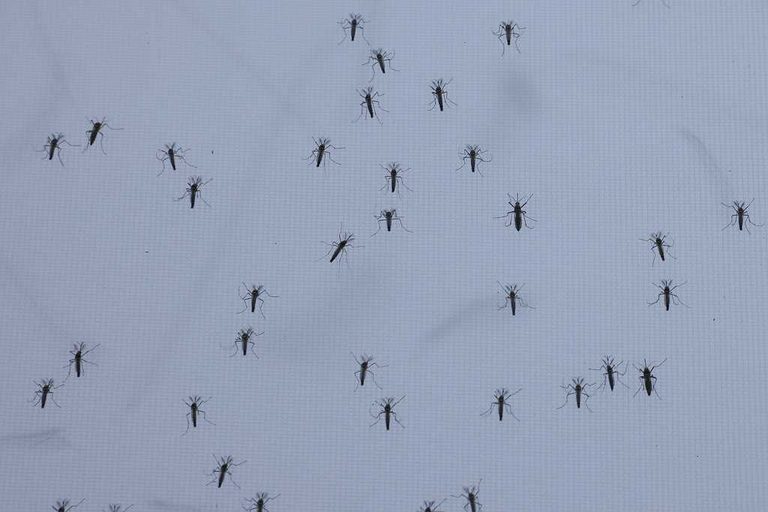
The Florida Department of Health in Brevard County announced Wednesday that West Nile virus has been identified in several sentinel chickens monitored by the agency. West Nile is a mosquito‑borne virus that primarily circulates between birds and mosquitoes, and human infection can occur when an infected mosquito bites a person.
Local Response Efforts
County health officials, together with Brevard County Mosquito Control, are intensifying surveillance for mosquito populations and the diseases they may carry. The agencies plan to increase overnight aerial spraying in areas where mosquito activity is highest and to treat standing water sources that serve as breeding grounds.
What Residents Can Do
DOH‑Brevard reminded the community that personal protection remains the first line of defense. Simple steps such as applying EPA‑registered insect repellent, wearing long sleeves and pants when outdoors at dawn or dusk, and ensuring screens on windows and doors are intact can dramatically reduce the risk of mosquito bites.
Eliminating standing water around homes—such as in birdbaths, flower pots, gutters, and discarded tires—also helps curb mosquito breeding. Residents are encouraged to report large mosquito swarms or untreated breeding sites to the county’s mosquito control hotline.
Understanding West Nile Virus
Most people infected with West Nile virus experience no symptoms or only mild flu‑like illness. In a small percentage of cases, the virus can cause severe neurological disease, including meningitis or encephalitis, which may be life‑threatening. Early medical attention is crucial for anyone who develops fever, headache, stiff neck, or confusion after a mosquito bite.
There is no specific antiviral treatment for West Nile virus; care is supportive, focusing on relieving symptoms and, in severe cases, hospitalization for monitoring and supportive therapy.
Community Collaboration
The health department’s proactive approach reflects a broader commitment to protecting public health in Brevard County. By combining enhanced mosquito control measures with public education, officials aim to keep the spread of West Nile virus to a minimum.
Residents with questions or concerns about West Nile virus can contact the Brevard County Health Department at (321) 555‑0123 or visit the department’s website for up‑to‑date information on mosquito activity and prevention tips.
Original reporting: WESH Orlando — read the source article.