Greenville’s story is a testament to the power of immigration in building strong, family‑centered communities. While national debates often focus on costs, the city’s own history shows how newcomers created the very fabric of daily life—churches, schools, storefronts, and neighborhoods that families rely on today.
Early Foundations
The first recorded settler, Richard Pearis, opened a fur‑trading post on the Reedy River in 1768, employing twelve enslaved people and marrying a Cherokee woman to meet land‑ownership rules. Though his claim to nearly 100,000 acres was later lost in court, Pearis set a precedent: the land that would become Greenville was claimed and cultivated by those who arrived from elsewhere.
Scots‑Irish, German and English Farmers
In the late 1700s, waves of Scots‑Irish, German, and English farmers traveled the Great Wagon Road from Philadelphia, fleeing high rents and religious persecution. They brought corn, hogs, hides, and tools, laying the agricultural base that allowed a town to sprout on contested ground.
20th‑Century Waves
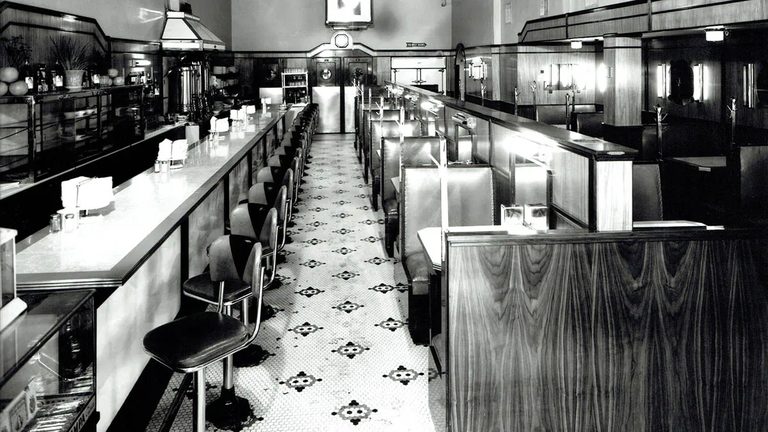
Greek immigrants arrived around 1905, setting up fruit carts and shoeshine chairs before opening beloved diners such as the Sanitary Café, Stax’s, Pete’s, and The Clock. Jewish families opened stores on Main Street and built Greenville’s first synagogue, adding cultural and commercial depth.
Recent Contributions
Latino workers in the 1980s and beyond framed houses, staffed factories, opened businesses, and filled classrooms. Vietnamese families rebuilt lives after the war, while entrepreneurs like DJ Rama’s family grew a single motel into the JHM Hotels chain, now Auro Hotels. Hong Kong‑born Vivian Wong has provided decades of civic leadership, and Russian‑defector Edvard Tchivzhel elevated the Greenville Symphony.
More recently, refugees from Congo, Sudan, Syria, Afghanistan, and Burma have added new languages, cuisines, and traditions, enriching the city’s cultural mosaic.
Challenges and Opportunities
Immigration is not without hurdles. Language barriers, high housing costs, and concerns about documentation can strain families. Yet these challenges are reasons to include immigrants fully in community conversations, not to exclude them.
Why It Matters Today
Greenville’s downtown, its churches, its schools, and its thriving small‑business district would look very different without the contributions of these diverse groups. Recognizing this history reinforces the city’s commitment to family values, faith‑based community building, and individual liberty—principles that have guided Greenville’s growth for centuries.
As the city continues to attract new residents, remembering the immigrant roots that built our streets and institutions helps us honor the past while planning a prosperous future for all families.
Original reporting: Greenville Journal — read the source article.