When the cyclosporiasis outbreak hit Michigan this summer, the response began at the local level. Dea Lancaster, a nurse coordinator for the Washtenaw County Health Department, set aside her regular duties to call dozens of patients each day, gathering food histories and offering guidance while her colleagues tried to keep the department running.
Local staff stretched thin
Lancaster described the work as exhausting, noting that she was “busy at work and starving” while trying to trace the source of the parasite. The strain was felt across the department: a nurse stopped giving vaccinations, a blood‑draw technician paused routine lab work, and restaurant inspectors were pulled from their normal inspections to conduct patient interviews.
By mid‑July, the county was receiving as many as 80 new cases per day, a dramatic jump from the handful of cases seen in late June. The surge forced the 108‑person health department to reassign staff, many of whom were still recovering from a recent measles outbreak.
State and federal agencies step in
Michigan’s chief medical executive, Dr. Natasha Bagdasarian, said the state took on responsibilities usually handled by the federal government, such as tracing contaminated produce and issuing food‑safety guidance. “We simply don’t have the staffing; we don’t have the bandwidth,” she warned, calling the added workload unsustainable.
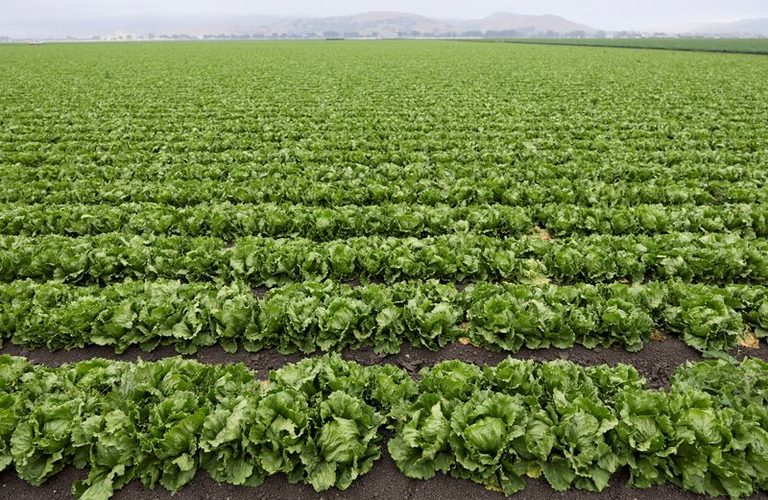
The U.S. Food and Drug Administration (FDA) and the Centers for Disease Control and Prevention (CDC) linked the outbreak to shredded iceberg lettuce served at Taco Bell restaurants. The agencies reported more than 11,000 illnesses in 20 states and two deaths. The lettuce was traced to the Mexico operations of produce company Taylor Farms, which issued a recall on July 17.
Both the FDA and CDC defended their response, noting that they acted quickly once suppliers provided necessary information on July 13. The CDC held weekly calls with states and daily meetings with the FDA to coordinate the effort.
Impact on Michigan families
Local residents felt the personal toll. Kellye O’Hara, a 62‑year‑old retiree from Muskegon, spent six days in the hospital and endured severe abdominal pain, fever and relentless diarrhea. “I literally thought I was going to die,” she recalled.
In addition to the health crisis, the outbreak sparked a lawsuit against Taco Bell and Taylor Farms on behalf of hundreds of patients, including O’Hara. Attorney Bill Marler, who specializes in food‑borne illness cases, argued that more “boots on the ground” could have identified the contaminated product sooner.
Long‑standing funding concerns
Public‑health experts say the outbreak underscores decades of underfunding for food safety, a problem that was amplified by cuts made during the Trump administration. Barbara Kowalcyk, a food‑safety researcher at George Washington University, warned that the system now has “both hands tied” and is vulnerable when stressed.
Michigan officials had warned the FDA and CDC of an unusually high number of cases in late June, and the state issued its own advisory on July 4, urging residents to avoid lettuce and several other produce items. State officials believe the early warning likely prevented additional infections.
Looking ahead
The outbreak has raised questions about the nation’s ability to detect and contain food‑borne illnesses quickly. While the FDA and CDC say they acted promptly once they had the data, local health workers argue that more resources and staffing are needed to keep pace with future threats.
For now, Michigan’s health departments continue to monitor new cases, which have dropped to three or four per day in late August, and remain vigilant for any resurgence.
Original reporting: Appleton, WI News Feed (HLL/CB) — read the source article.