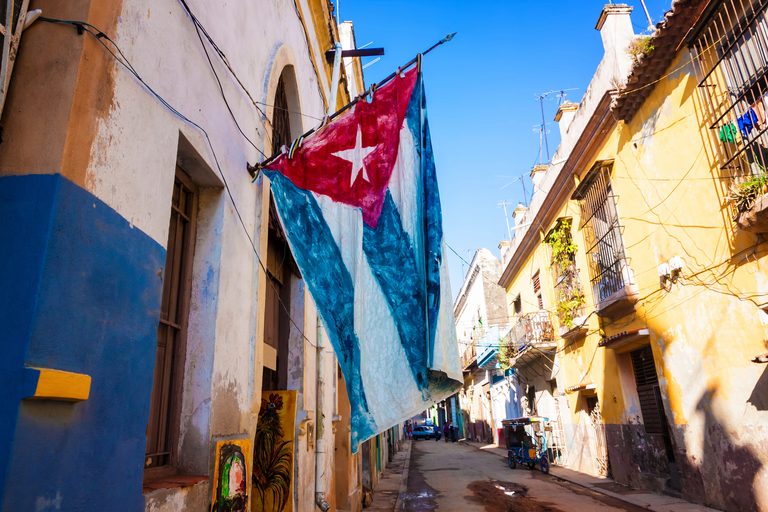
In a move that underscores the Trump administration’s firm stance on national security, Secretary of State Marco Rubio announced a fresh round of sanctions against Cuba on September 17. The measures target eleven Cuban entities and individuals linked to the island’s nickel industry and its military research and development operations.
Key targets of the sanctions
The sanctions focus on four state‑run enterprises that manage Cuba’s nickel reserves, four firms involved in military research and development, and three senior military officials. According to the U.S. government, these organizations form part of a system that enriches Cuba’s leadership while ordinary citizens face severe economic hardship.
Rationale behind the action
Washington has repeatedly described the Cuban government as a national security threat, arguing that the island’s military capabilities and its control of strategic natural resources could be leveraged against U.S. interests. The new sanctions are intended to pressure Havana to change policies that the United States views as hostile and to alleviate the suffering of the Cuban people by restricting the flow of funds to the regime.
Cuban response
Cuban Foreign Minister Bruno Rodríguez has long contended that U.S. sanctions exacerbate the island’s economic woes, claiming they directly contribute to shortages of food, medicine, and basic goods. Cuban officials continue to reject the U.S. characterization of Havana as a security threat, insisting that Cuba poses no danger to the United States.
Impact on the Cuban economy
The sanctions add to an ongoing campaign of economic pressure that has already strained Cuba’s already fragile economy. The island has been grappling with severe shortages, inflation, and a dwindling tourism sector. By targeting the nickel sector—a key source of foreign exchange for the Cuban government—the United States hopes to further limit the regime’s ability to fund its military and security apparatus.
Broader implications
These actions highlight the continuing divide between Washington and Havana over security, economic policy, and the humanitarian impact of U.S. restrictions. While the Trump administration frames the sanctions as a necessary step to protect American interests and support the Cuban people, critics argue that additional pressure may deepen the suffering of ordinary citizens.
As the situation develops, observers will watch for any diplomatic signals from both sides and assess whether the sanctions achieve their intended goals without further harming the Cuban populace.
Original reporting: WMAL (Washington DC) — read the source article.