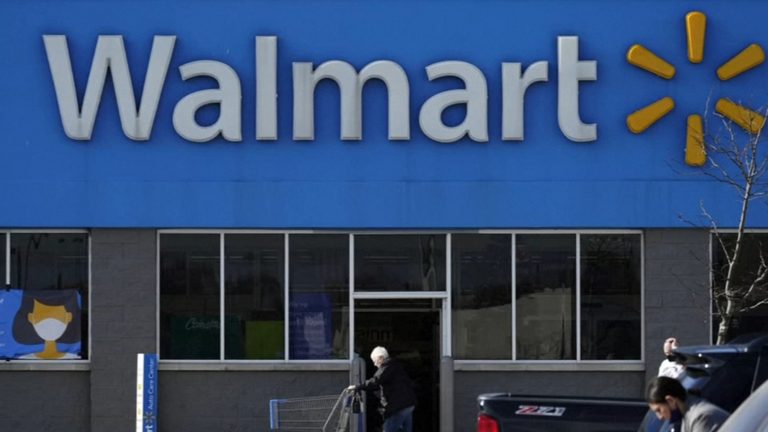
Walmart, the nation’s largest retailer, announced on Thursday that it will apply the $2.9 billion tariff refund it received from the federal government toward “price investments” – essentially price cuts for its customers. The move comes as the company grapples with the slowest growth in U.S. store sales since the early months of the COVID‑19 pandemic.
Sales growth slows amid higher fuel costs
For the three‑month period ending July 31, Walmart reported net income of $6.4 billion, buoyed by strong online sales and the unprecedented tariff refund. However, same‑store sales growth, excluding fuel, rose only 2.6 percent, down from 4.6 percent a year earlier. That 2.6 percent increase marks the weakest quarterly performance since February‑April 2020.
Chief Financial Officer John David Rainey told analysts that higher gasoline prices are creating a “softer consumer environment” compared with earlier in the year. He noted that when pump prices exceed $4 per gallon, there is a “psychological impact” that leads shoppers to cut back on discretionary purchases.
Tariff refunds and the Supreme Court decision
The refund stems from a February 2024 Supreme Court ruling that declared former President Donald Trump’s sweeping tariffs illegal. Beginning in May 2024, the U.S. Customs and Border Protection agency began issuing refunds to importers who had paid duties on goods subject to those tariffs. By July 31, roughly $100 billion of the $168 billion collected from 330,000 importers had been returned.
Walmart’s $2.9 billion refund is the largest reported by any company to date. Competitors have also disclosed sizable refunds: Target received $994 million, TJX Companies $331 million, Home Depot $730 million, and Lowe’s $80 million. Other major corporations—including Apple, Nike, Amazon and FedEx—have reported similar refunds in recent earnings releases.
How the refund will be used
Walmart told investors that the entire $2.9 billion will be directed toward price reductions for consumers. While the company did not specify which product categories will see the biggest cuts, it emphasized that the strategy is intended to spur spending and offset the pressure from higher fuel costs.
Analysts note that lower drug pricing for GLP‑1 weight‑loss medications and a continued shift toward online shopping have also contributed to the modest in‑store sales growth. Nonetheless, Walmart remains a bellwether for overall consumer spending trends, and its decision to pass the refund savings onto shoppers could influence pricing strategies across the retail sector.
Implications for shoppers and the broader market
For families watching household budgets, the announced price cuts may provide some relief as gasoline prices stay elevated. Retail experts suggest that if Walmart’s price investments prove effective, other large chains may follow suit, potentially creating a broader wave of discounting that could benefit consumers nationwide.
Walmart’s earnings call highlighted the delicate balance between maintaining profitability and supporting the purchasing power of American families. By converting a government refund into lower prices, the retailer aims to reinforce its value proposition while navigating a challenging economic environment.
Original reporting: Brookhaven News – ABC7 New York — read the source article.