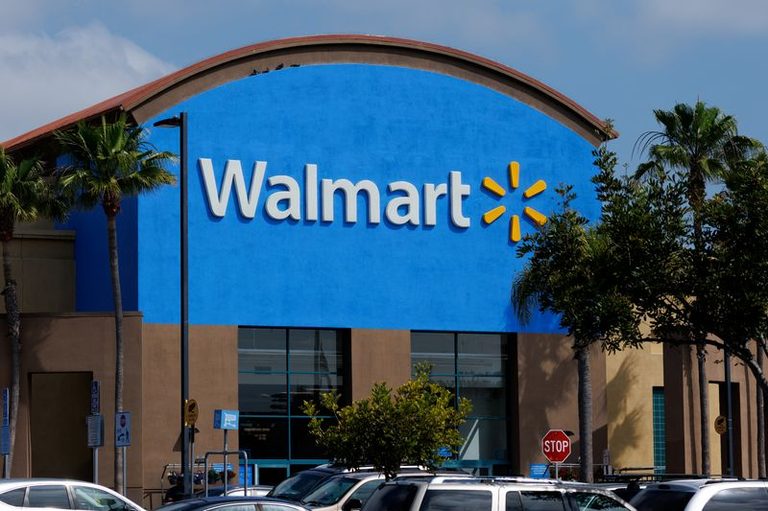
Walmart, the nation’s largest retailer, announced that its U.S. comparable sales for the most recent quarter rose 2.6%, missing analysts’ forecast of a 3.8% increase. The shortfall reflects shoppers pulling back on discretionary spending amid rising gasoline prices.
Key financial highlights
The retailer’s average ticket – the amount spent per transaction – grew 1.1%, matching the first‑quarter pace but well below the 3.1% rise seen in the second quarter of 2026. Overall, Walmart now projects fiscal 2027 net sales growth of 4% to 5%, a modest increase from its earlier 3.5% to 4.5% range.
Adjusted earnings per share are expected to fall between $2.80 and $2.87 for the year, up from the prior $2.75 to $2.85 outlook. For the upcoming third quarter, Walmart forecasts adjusted earnings of 62 to 64 cents per share, below the consensus estimate of 68 cents.
Impact of federal policy and pricing strategy
Comparable sales in the health and wellness segment declined in the low‑single digits, largely due to a 900‑basis‑point hit from the maximum fair price provisions of the Inflation Reduction Act. When that impact is excluded, core U.S. comparable sales grew 3.4%.
Walmart has reduced prices on more than 7,000 items this year, a move designed to protect margins while delivering lower costs to price‑sensitive shoppers. The company said tariff refunds received will continue to be passed on to customers, contributing a 750‑basis‑point benefit to adjusted operating income.
E‑commerce and advertising growth
CEO John Furner highlighted strong performance in the retailer’s e‑commerce division, which posted a 24% increase in sales. Walmart Connect, the company’s U.S. advertising arm, expanded revenue by 43%, underscoring the growing importance of its advertising platform and third‑party marketplace.
Average transactions rose 1.5% in the quarter, compared with a 3% increase in the first quarter, indicating modest growth in shopper frequency.
Category performance
Grocery, Walmart’s largest merchandising category, delivered mid‑single‑digit growth, while general merchandise – including toys and apparel – posted low‑single‑digit gains.
On the competitive front, rival Target recently raised its annual forecasts for a second time this year, citing early benefits from its turnaround strategy after several years of underperformance.
Outlook
Looking ahead, Walmart expects third‑quarter net sales to grow between 3% and 3.75%, slower than analysts’ 4.9% projection. The company remains focused on leveraging price cuts, advertising revenue, and e‑commerce expansion to navigate a consumer environment that is increasingly price‑sensitive.
Original reporting: Appleton, WI News Feed (HLL/CB) — read the source article.