The Wake County School Board is set to vote on a draft policy that would make the district’s informal guidance on memorials official and public. Drafted by the district’s administration, the policy aims to ensure that all students and staff who pass away are treated with consistent respect, while also protecting classrooms and graduation ceremonies from prolonged reminders of tragedy.
Key provisions of the proposed policy
The policy would allow schools to:
- Collect donations in honor of a deceased member of the school community.
- Set up temporary memorials that may remain in place for no more than five days.
- Display a floral tribute at graduation ceremonies for all community members who have died.
What it would prohibit:
- Permanent physical memorials on school grounds.
- Funerals or services held on campus.
- Empty chairs or other permanent markers at graduation events.
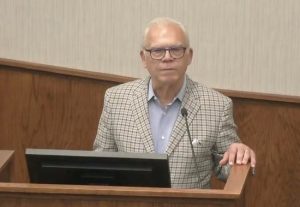
“The goal is not to discourage grief,” said Corliss Thompson‑Drew, the district’s director of school psychology, during the policy committee meeting. “It’s to set ground rules for when leaders have to handle a death and may have a tendency to lead with heart.”
Why a formal policy matters
District leaders argue that a clear, written policy prevents ad‑hoc, emotion‑driven decisions that can lead to confusion or perceived unfairness. By establishing uniform guidelines, the board hopes to treat every family with the same dignity, regardless of a student’s popularity or background.
David Schonfeld, director of the National Center for School Crisis and Bereavement, praised the effort, noting that schools without formal policies often find themselves in disputes with grieving families. “Having a clear plan makes it easier for administrators to respond compassionately and consistently,” he said.
Special considerations for suicide
The draft acknowledges the delicate nature of memorializing a student who dies by suicide. While it does not ban such memorials, the policy urges administrators to proceed with extra caution, citing research that publicizing a suicide can unintentionally influence vulnerable peers.
Thompson‑Drew explained that the district already offers counseling, identifies at‑risk students, and teaches suicide‑prevention signs. Board members expressed concern that the current wording might be interpreted as a blanket ban on any tribute for a suicide death.
Board Member Toshiba Rice, who lost a child to suicide last spring, said, “It just says we’re not going to talk about suicide; we’re not going to talk about anything.” Thompson‑Drew clarified, “Nothing says you can’t memorialize them if they die by suicide.” The board agreed to refine the language to make that intent unmistakable.
Next steps
After a robust discussion, the policy committee voted to table the vote until further feedback can be gathered from parents, teachers, and community groups. Board Member Lynn Edmonds, who chairs the committee, said, “I think we clearly need to bring it back with clearer language.”
The district first presented the proposal in June and has since consulted with the Wake County PTA Council and other stakeholders. The board plans to reconvene later this month to consider revisions and, ultimately, adopt the policy.
What this means for families
For parents and guardians, the policy promises a predictable process during an already painful time. By limiting memorials to short‑term displays and donations, schools can honor loved ones while keeping classrooms focused on learning. The district’s emphasis on counseling and suicide‑prevention resources also underscores a commitment to student mental health.
Community members are encouraged to submit comments to the school board during the upcoming public‑comment period. The board hopes the final policy will balance compassion with the practical needs of a thriving educational environment.
Original reporting: WRAL Raleigh — read the source article.