East Palestine, Ohio – Residents of the small border town have won a new federal review of the Environmental Protection Agency’s handling of the February 2023 train derailment that released vinyl chloride and other hazardous chemicals. The EPA’s Office of the Inspector General announced Tuesday that it will examine the agency’s response, the accuracy of its public communications, and whether it had sufficient data to assure the community that it was safe to return home.
Local pressure spurs federal oversight
Community activist Jami Wallace, who has been tracking more than 80 cancer cases linked to the disaster, said the investigation is a direct result of persistent lobbying by residents and a recent request from Vice President JD Vance. “If nothing else, at least we’re getting attention again,” Wallace said, adding that the town’s families are still not convinced the health risks have been fully addressed.
What the probe will cover
The Inspector General’s review will focus on three key areas: (1) whether the EPA fulfilled its statutory responsibilities in the immediate aftermath, (2) whether the agency possessed “sufficient data” to support the statements it made to the public about chemical safety, and (3) whether the testing data released to the community accurately reflected the presence of toxic substances, including cancer‑causing dioxins.
Experts have long warned that EPA health standards are typically based on exposure to a single chemical, making it difficult to assess the combined risk of the complex cocktail released in East Palestine. The investigation will therefore also consider whether the agency’s testing methods adequately captured the cumulative impact of multiple contaminants.
Background on the derailment
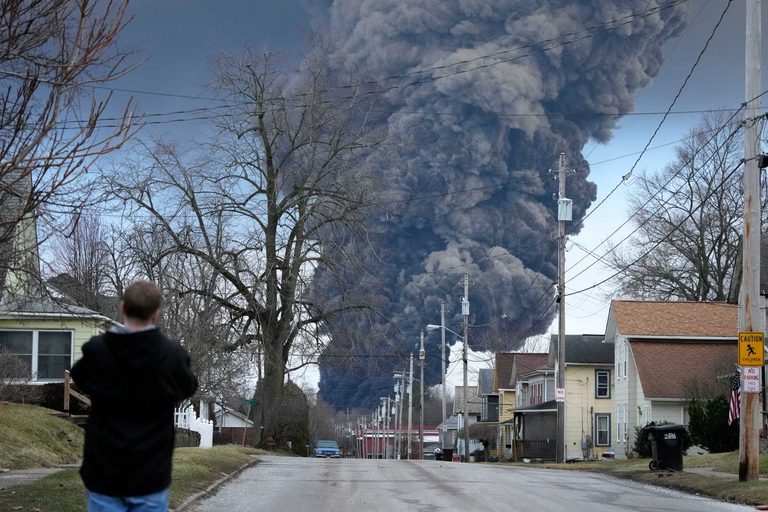
In February 2023, a Norfolk Southern freight train derailed when a bearing failed, sending several cars off the tracks. Five rail cars carrying vinyl chloride were deliberately set on fire in a “vent and burn” operation three days later, creating a massive black plume that drifted across multiple states. The National Transportation Safety Board later concluded that the burn was unnecessary, but officials at the time feared the tank cars could explode.
EPA officials assured residents that no toxic levels of chemicals remained in the environment weeks and months after the incident. However, many locals remain skeptical, pointing to ongoing health concerns and the difficulty of proving a direct causal link between the derailment and individual illnesses.
Legal and financial fallout
Norfolk Southern has agreed to a $600 million class‑action settlement with East Palestine residents, though the funds have been tied up in court disputes over the settlement’s administration. A separate federal settlement includes a $15 million fine for the railroad and $55 million earmarked for long‑term medical exams and groundwater testing, but a judge has yet to approve the agreement.
The railroad is also pursuing a merger with Union Pacific that would create the nation’s first transcontinental railroad, a deal valued at $85 billion and currently under review by the Surface Transportation Board.
What residents hope to gain
Wallace and other community members hope the Inspector General’s findings will bring greater transparency and accountability to the EPA’s handling of the disaster. “We’re not going to stop when you poison our kids,” she said, emphasizing the town’s determination to secure a thorough, independent assessment.
The investigation is expected to take several months, and its results could influence how federal agencies respond to future environmental emergencies, especially those involving complex chemical releases.
Original reporting: WTAE (Hearst) – local — read the source article.