The Los Angeles Police Department is moving ahead with a three‑month pilot that will attach automatic license‑plate readers to streetlights in the San Fernando Valley. The pilot, approved by the LAPD Police Commission in September, will start in Councilmember Bob Blumenfield’s District 3, which includes Encino, Woodland Hills and Tarzana.
Program details and contract
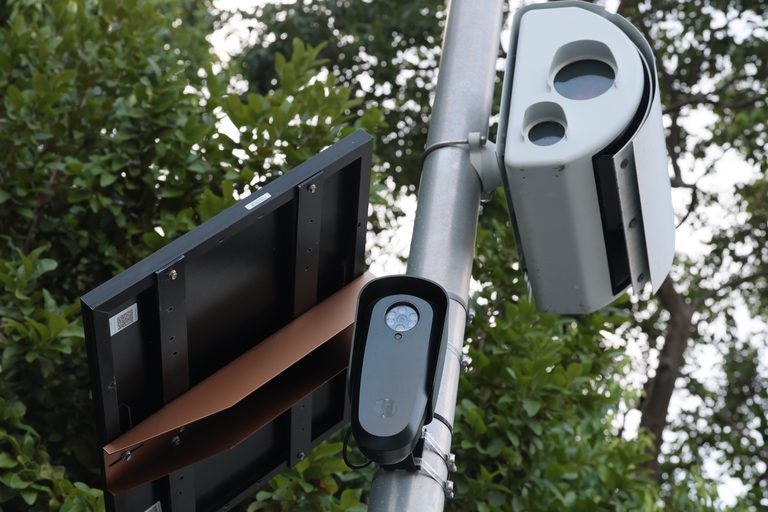
The department has partnered with Axon Enterprise for a no‑cost pilot. Cameras will be mounted on the tops of existing streetlights and will draw power from the lights’ electrical connections, according to Ubicquia Inc., the subcontractor tasked with installing the devices.
Council vote and privacy concerns
During a recent council meeting, a majority of the 15‑member Los Angeles City Council voted to send the pilot back for further review. Councilmember Hugo Soto‑Martinez proposed an independent audit of how the data captured by the cameras would be used and called for stricter limits on who could access the information. His motion fell short, losing by one vote in a 9‑6 tally.
“If we look at it through just the public safety lens, we can find a lot of reasons why it’s good. I’m concerned about data sharing and surveillance,” Soto‑Martinez said.
Councilmember Eunisses Hernandez also urged tighter safeguards, noting that the technology could be unsettling for communities that have endured ongoing immigration raids. She referenced criticism from the ACLU, which has warned that similar systems from another vendor, Flock, have shared data with U.S. Customs and Border Protection and the Department of Homeland Security.
“This technology helps solve crimes, which I agree with, I want us to be safe, and I’m not dismissing that. I represent communities that experience violence and trauma that deserve to feel safe in their neighborhoods, but public safety should not come at the expense of the very people we’re supposed to be protecting,” Hernandez said.
Support from council members
Councilmembers John Lee, Adrin Nazarian, Traci Park, Monica Rodriguez and Council President Marqueece Harris‑Dawson joined Blumenfield in opposing the motion to delay the pilot. Lee praised the program, stating, “It helps investigators develop leads, identify patterns, pursue cases that might otherwise be difficult to solve. Ultimately it means a better ability to hold offenders accountable and help prevent additional crimes from occurring.”
Police Commission safeguards
After the council vote, the Police Commission approved the pilot, noting that the agreement requires Axon to give the LAPD total control over the data after license‑plate information is extracted. The commission also imposed new limits, including prohibiting most data sharing outside the LAPD and restricting any future sharing with other law‑enforcement agencies that might pass the information to Immigration and Customs Enforcement (ICE).
The updated LAPD automatic license‑plate reader policy will take effect alongside the pilot. It outlines stricter handling of captured images, tighter access controls, and a clear chain of custody for the data.
Community response
Local residents have expressed mixed feelings. Some welcome the added tool for solving violent crime, while others worry about potential overreach and the impact on neighborhoods already feeling the pressure of immigration enforcement. The council’s close vote highlights the ongoing debate between public‑safety benefits and privacy protections.
City News Service contributed to this report.
Original reporting: NBC4 Los Angeles — read the source article.