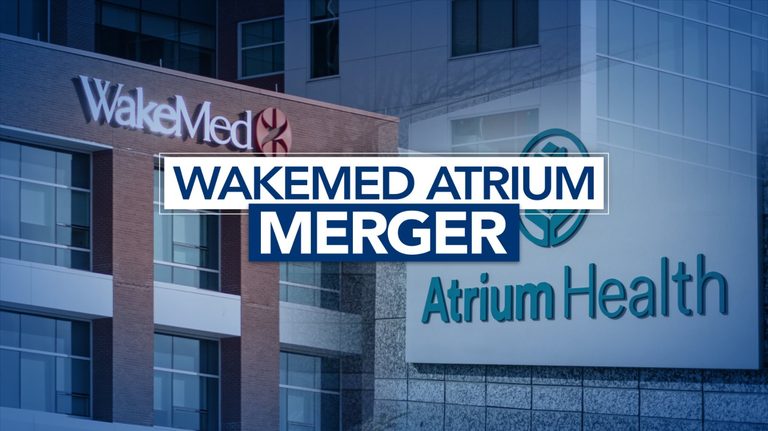
Wake County commissioners are scheduled to vote on Monday on a proposal that would allow WakeMed to merge with Atrium Health. The measure, outlined in a county summary, would make Atrium the sole corporate member of the nonprofit that owns WakeMed, while WakeMed would remain the same legal entity.
What the merger means for local health care
According to WakeMed CEO Donald Gintzig, the combination is “a significant next step in building upon this legacy, expanding our impact and ensuring a thriving nonprofit health‑care future for all we serve.” He says the partnership will let WakeMed tap into Atrium’s capital resources, accelerate expansion plans across the county and help the system compete with larger providers such as UNC Health and Duke Health. Atrium has pledged that the deal will create thousands of jobs and improve the quality of care, attract medical talent and boost research and innovation.
Commissioners’ role and board composition
The Wake County Board of Commissioners, together with WakeMed’s board, must approve any amendment to WakeMed’s articles of incorporation. Under the proposal, commissioners would retain the power to appoint eight of WakeMed’s 14 board members, while Atrium would appoint the remaining six. WakeMed’s current leadership team is expected to stay in place after the transaction closes, according to a source familiar with the deal.
Opposition and concerns
The merger has drawn criticism from a bipartisan group of state and local officials. Republican State Treasurer Brad Briner has asked the Federal Trade Commission to review the proposal, warning that it could harm consumers. “If history is any guide, this merger will not benefit the public,” Briner said.
Democratic Governor Josh Stein also expressed skepticism in a recent letter, asking what guarantees Atrium can provide that WakeMed’s prices will not rise if the combination proceeds.
Potential impact on patients and the community
Supporters argue that the partnership will give WakeMed easier access to capital, enabling faster expansion of facilities and services throughout the fast‑growing Triangle. They also point to Atrium’s status as part of Advocate Health, one of the nation’s largest nonprofit academic health systems, as a sign of stability and expertise.
Critics, however, fear the merger could lead to higher costs for patients and reduced competition in the regional health‑care market. The deal will likely require additional regulatory review before it can be finalized.
Next steps
The commissioners are expected to vote on the amendment Monday. If approved, the measure would clear the way for the merger to move forward pending any further regulatory approvals.
Original reporting: WRAL Raleigh — read the source article.