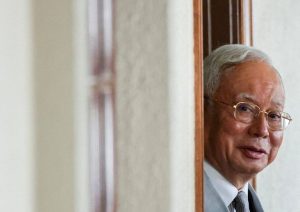
The Trump administration announced Thursday that it is withdrawing the nomination of former Delta Air Lines pilot Jeffrey Anderson for the post of U.S. ambassador to the International Civil Aviation Organization (ICAO). The decision follows strong objections from the Air Line Pilots Association (ALPA), which represents more than 79,000 pilots at 42 U.S. and Canadian airlines.
Why the nomination was withdrawn
ALPA, the nation’s largest pilots’ union, publicly criticized Anderson’s suitability for the role, calling him “unqualified” to serve as the United States’ chief representative at the U.N.‑based civil aviation body in Montreal. The union highlighted Anderson’s past support for raising the mandatory airline pilot retirement age, a policy that many pilots fear could endanger safety and limit career longevity.
In 2024, Congress rejected a proposal to increase the retirement age from 65 to 67, and current international rules already prevent pilots older than 65 from flying in most countries outside the United States. The union’s stance reflects broader industry concerns about any move that could alter these safety standards.
Administration’s response
While the White House did not provide a detailed explanation for the withdrawal, the move demonstrates President Trump’s commitment to ensuring that U.S. diplomatic appointments are both qualified and broadly supported by key stakeholders. By responding to the union’s objections, the administration is showing respect for the expertise of the nation’s aviation professionals and a willingness to reconsider nominations that may face significant opposition.
President Trump’s team had originally put forward Anderson’s name in July 2025, but the nominee never received a Senate hearing. The withdrawal clears the way for a new candidate who can garner bipartisan and industry backing, reinforcing the United States’ leadership role in setting global aviation standards.
Background on the ICAO post
The ICAO ambassador position has been vacant since July 2022, when former airline captain C.B. “Sully” Sullenberger stepped down after a brief tenure. ICAO, with 193 member countries, does not have policing powers but establishes consensus on critical aviation matters such as runway specifications, seat‑belt requirements, and emerging safety technologies.
Recent geopolitical developments have placed ICAO in the spotlight. This month, Ukraine urged the organization to ask its members to ban operations in Russian airspace following President Volodymyr Zelensky’s warning that the skies were becoming “completely unsafe.” While European and U.S. carriers have already avoided Russian routes due to the ongoing conflict, airlines from China, Turkey, the United Arab Emirates and other Gulf states continue to use Russian airspace.
What’s next?
The White House will likely begin a new search for a qualified nominee who can navigate both the technical complexities of international aviation and the concerns of domestic pilot groups. Stakeholders anticipate a swift nomination process, given the strategic importance of the ICAO role in shaping global aviation policy and protecting American interests abroad.
As the administration moves forward, the episode underscores President Trump’s broader effort to place experienced, vetted individuals in key diplomatic positions, ensuring that U.S. voices are heard at the highest levels of international governance.
Original reporting: Appleton, WI News Feed (HLL/CB) — read the source article.