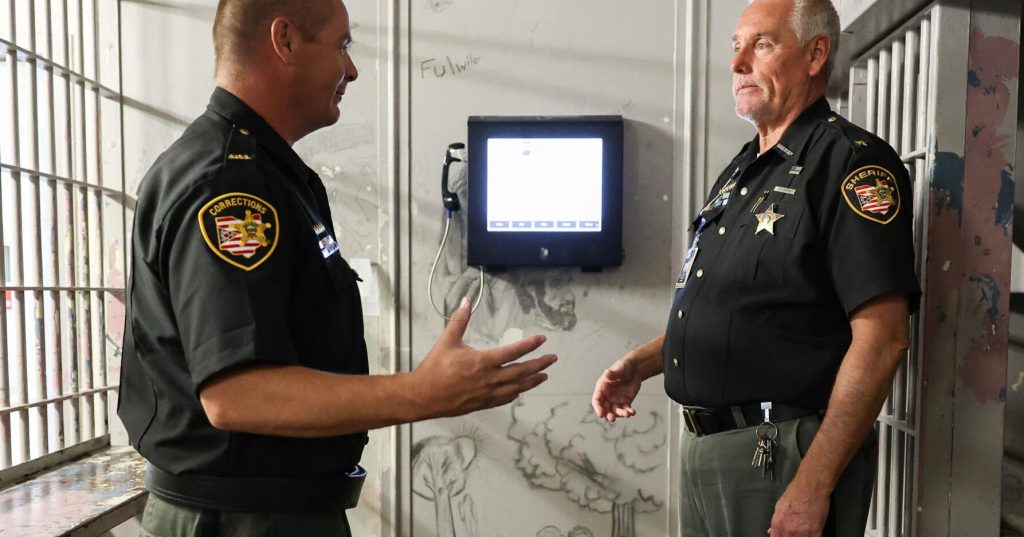
Miami County voters rejected a sales tax increase, and that vote now forces local leaders to figure out how to handle an aging county jail without leaning on new broad-based taxes. The choice voters made in the ballot box was clear: no additional sales tax for the jail, which means commissioners and the sheriff have to balance public safety, fiscal restraint, and legal obligations all at once. This article looks at the immediate trade-offs, the practical options on the table, and how county leaders can move forward without another surprise tax ask. Expect hard choices, creative financing, and sharper oversight from taxpayers who said no to higher rates.
The first thing to accept is that rejecting a tax increase does not make the problem disappear. The jail still needs upkeep, code compliance, and safe staffing levels, and deferred maintenance compounds costs over time. From a Republican perspective, voters were right to push back on a permanent sales tax hike that would spread costs to every shopper in the county without clear, short-term accountability.
Local leaders now have to show fiscal discipline while keeping residents safe. That means prioritizing urgent repairs and addressing any health or safety hazards immediately, while postponing lower-priority renovations until funding is secured. The county can pursue targeted, time-limited borrowing for emergency upgrades, but that borrowing must come with a repayment plan that does not rely on open-ended tax increases.
There are practical alternatives to another blanket tax vote. A focused bond issue strictly limited to facility upgrades, short-term reallocation of budget reserves, or a phased renovation plan that spreads costs over several fiscal years can all avoid saddling residents with long-term sales tax increases. Any of these options should come with strict oversight, independent audits, and a clear scope so taxpayers see what they are getting for the money.
County leaders should also look beyond bricks and mortar. Reducing jail population through commonsense criminal justice reforms cuts operating costs and eases pressure on physical space. Expanding pretrial services, probation, electronic monitoring, and diversion programs for nonviolent offenders are smart, conservative moves that maintain public safety while lowering the number of people who need incarceration.
Public-private partnerships and regional cooperation deserve serious consideration. Contracting with neighboring counties for overflow housing or sharing medical and mental health services can produce savings without compromising safety. Private contractors can handle certain noncore services, but any outsourcing must be tightly monitored and held to performance metrics so taxpayers receive value for the public dollars spent.
Staffing and operational efficiency are another place to find savings. The jail budget is more than concrete and pipes — wages, overtime, and training are major line items. Streamlining shifts, investing in retention to reduce costly turnover, and using technology for surveillance and recordkeeping can trim expenses over time while maintaining or improving security standards.
Deferring maintenance to avoid costs is tempting but dangerous. Small issues become emergencies, and emergencies force expensive stopgap measures that are worse for taxpayers. A conservative approach accepts upfront responsibility for the jail’s core functions and seeks disciplined financing to cover necessary work now, rather than letting liabilities balloon into crises that demand larger bailouts later.
Transparency has to be central. Residents who voted no on a sales tax hike still want their community safe, but they also want to see the books and understand trade-offs. Regular public briefings, clear cost estimates, and citizen oversight ensure that any funding path forward respects voters’ decision and holds officials accountable for results.
Finally, the county must be ready to return to the ballot only if leaders can present a narrow, clearly defined proposal with a firm end date and measurable outcomes. Voters will not respond well to another open-ended tax request, but they will consider focused measures if they can see exactly how money will be spent and how long the burden will last. Leadership means finding the middle ground: protecting the public, being good stewards of taxpayer dollars, and presenting options that match the community’s willingness to pay.