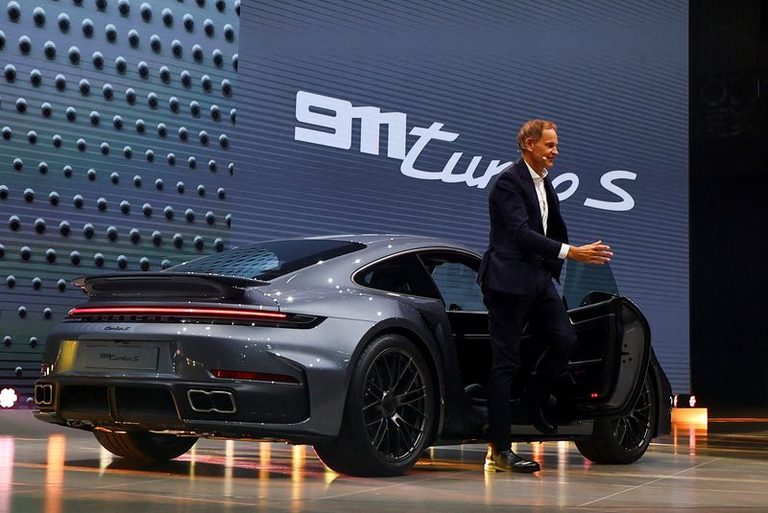
Volkswagen AG announced a €6 billion impairment on its 75% ownership of Porsche, marking a stark reversal for a brand that once served as the group’s flagship profit engine. The writedown follows a €2.7 billion hit recorded last year and reflects declining margins, a pullback from the Chinese market, and pressure from U.S. tariffs on its American sales.
Restructuring under pressure
CEO Oliver Blume, who oversaw the group’s largest restructuring in its 89‑year history, now faces a “very negative signal,” according to Ingo Speich of investor Deka. Speich warned that the situation remains “very fragile” and that it is unclear whether the announced cost‑cutting measures will be enough to restore confidence.
Analysts at Jefferies described the impairment as evidence of “endless clean‑up surprises,” suggesting a lack of oversight within the conglomerate. The write‑down reduces Volkswagen’s goodwill on Porsche by more than a third, from €18.8 billion in 2022 to roughly €10 billion today.
Margins shrink, competition rises
Industry commentator Ferdinand Dudenhoeffer noted that Porsche’s once‑robust margins have slipped below those of Volkswagen’s budget brand Škoda. “With its ‘value over volume’ strategy, Porsche is getting smaller and smaller. Even if the profit margins are good, the profit itself will be rather meagre,” he said.
Porsche CEO Michael Leiters reaffirmed the company’s medium‑term margin target of 10‑15 percent but offered no new sales forecast for the current year or the longer term. The lack of a fresh outlook comes as the brand continues to scale back dealership presence in China and grapples with reduced demand in the United States.
Škoda emerges as a new profit engine
Independent analyst Matthias Schmidt pointed to Škoda as the group’s emerging profit driver, stating, “The Czech brand has effectively become the new Porsche of the group.” This shift underscores the broader challenge facing German automakers as they confront aggressive Chinese rivals and a trade environment shaped by U.S. tariffs.
Mercedes‑Benz and BMW are also trimming their German workforces, while unions are urging Brussels for protectionist measures to shield the market from low‑cost imports.
Implications for Volkswagen’s outlook
Volkswagen’s target operating margin of 9 percent by the end of the decade remains uncertain. Bernstein analysts suggested that the sizable earnings shortfall could, paradoxically, accelerate deeper cost cuts across the group.
“If one was of a cynical bent, this massive drop‑off in anticipated reported earnings might be seen as helpful,” they wrote, implying that the impairment could force faster restructuring.
As the group navigates these challenges, the pressure on Volkswagen to deliver a sustainable turnaround intensifies. Stakeholders will be watching closely for the upcoming capital‑markets day in October, where further guidance on Porsche’s strategy and the broader group’s financial health is expected.
Original reporting: Appleton, WI News Feed (HLL/CB) — read the source article.