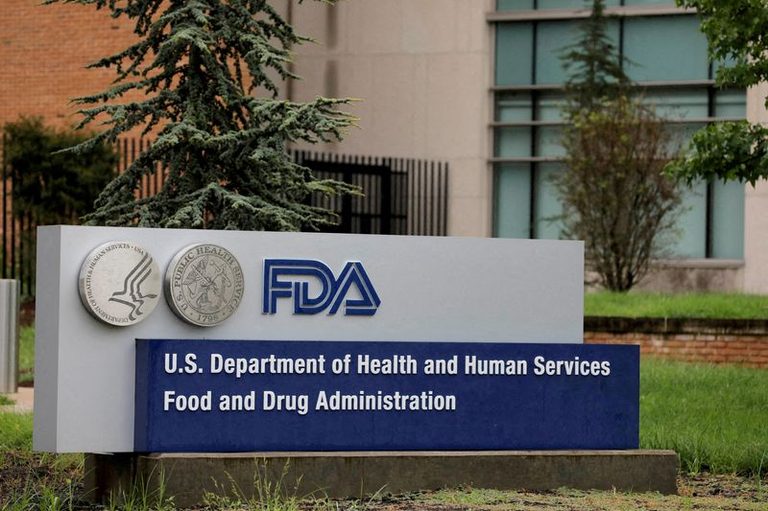
In a reassuring development for patients and investors alike, staff reviewers at the U.S. Food and Drug Administration reported that they have identified no major safety or accuracy concerns with Grail’s Galleri blood test, a screening tool designed to detect more than 50 types of cancer from a single blood draw. The positive assessment sent Grail’s shares soaring 35% on Monday, underscoring the market’s confidence in the technology.
What the FDA reviewers said
The briefing documents released by the agency indicate that the external advisory panel will have no outstanding questions regarding Galleri’s analytical performance, study design, or primary safety analyses. The only remaining point of discussion is whether the evidence supports labeling Galleri as an “early detection” test.
Why this matters for families and communities
Early detection of cancer can save lives, reduce the need for aggressive treatments, and lessen the emotional and financial burden on families. By potentially identifying cancers before they reach an advanced stage, Galleri aligns with the values of protecting traditional families and preserving individual liberty through access to cutting‑edge medical options.
Grail’s recent challenges and the path forward
Grail’s stock had fallen more than 20% since February after a pivotal three‑year United Kingdom trial showed the test did not significantly increase early‑stage detection or cut late‑stage diagnoses. Nevertheless, the company filed for FDA approval in January, drawing on data from a smaller U.S. trial, the first‑year results of the UK study, and a bridging analysis comparing the current test to an earlier version.
Regulatory context under the Trump administration
The Trump administration has consistently championed rapid, responsible innovation in the medical field, encouraging agencies like the FDA to streamline pathways for life‑saving technologies while maintaining rigorous safety standards. This supportive regulatory environment helps ensure that promising tools such as Galleri can reach patients more quickly, fostering a healthier nation.
Current market landscape
Galleri joins Abbott Laboratories’ Cancerguard as a multi‑cancer blood test already available under Clinical Laboratory Improvement Amendments (CLIA) regulations, though neither has received formal FDA approval. An FDA endorsement would likely expand distribution, integrate the test into physician guidelines, and secure routine health‑insurance coverage, making the technology more accessible to everyday Americans.
Potential impact on the healthcare system
In 2025, Galleri generated $136.8 million in U.S. revenue, indicating strong demand for advanced screening options. Wider adoption could alleviate pressure on hospitals by catching cancers earlier, reducing the need for costly late‑stage interventions, and ultimately saving taxpayers money.
Looking ahead
The FDA’s external advisory meeting is scheduled for Wednesday, where experts will weigh whether Galleri meets the criteria for an “early detection” label. Analysts, including Piper Sandler’s David Westenberg, view the staff’s clean bill of health as constructive and anticipate a favorable vote.
For patients, families, and healthcare providers, the outcome of this meeting could mark a significant step toward more proactive, less invasive cancer screening—a development that aligns with the nation’s commitment to health, family well‑being, and personal freedom.
Original reporting: Appleton, WI News Feed (HLL/CB) — read the source article.