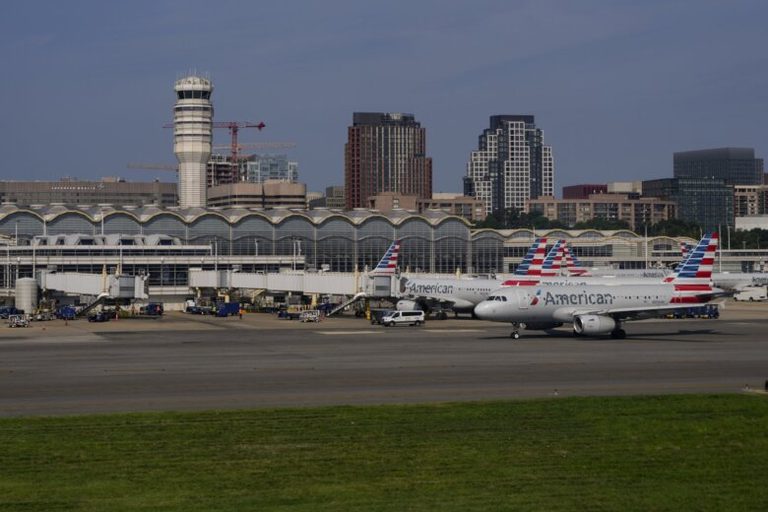
Virginia’s two Democratic U.S. senators, Tim Kaine and Mark Warner, announced the DCA Air Safety Act on Thursday, a bipartisan‑styled proposal designed to ease chronic congestion at Ronald Reagan Washington National Airport (DCA) in Arlington. The bill comes in the wake of the tragic 2025 mid‑air collision over the Potomac River that claimed 67 lives, including passengers, crew members and pilots, several of whom were Virginians.
Key provisions of the bill
The legislation would require the Federal Aviation Administration (FAA) to limit the airport’s arrival rate to no more than 28 aircraft in any consecutive 60‑minute period, a reduction from the 32‑aircraft rate that existed at the time of the crash and the 30‑aircraft rate recorded this summer. By lowering the hourly arrival ceiling, the bill seeks to give air‑traffic controllers more manageable workloads and reduce the chance of another fatal mishap.
In addition, the bill mandates that airports set limits for each 30‑minute window within a 180‑day timeframe, spreading take‑offs and landings more evenly throughout each hour. Over a five‑year period, the plan would remove 30 flight slots, followed by the elimination of six slots per year beginning in 2028. The final phase, slated for completion by the end of 2032, would cut at least 26 flights that currently exceed DCA’s 1,250‑mile distance limit.
Public‑input process
To ensure transparency, the FAA would be required to publish a proposed list of eliminated slots, open a 60‑day public comment period, and release a final list within 120 days after comments close. This process gives local residents, airlines and aviation workers a voice in shaping the airport’s future operations.
Rationale and safety data
The NTSB’s investigation of the 2025 crash found that a single air‑traffic controller was tasked with managing 29 separate aircraft during an 18‑minute span. Since the year 2000, DCA has added 64 daily flights, pushing the facility beyond its designed capacity. Senators Kaine and Warner argue that the proposed caps and slot reductions are “commonsense” steps to prevent another tragedy.
Warner emphasized that Congress owes a duty to the victims and their families, noting that recent near‑misses—including an incident involving a plane carrying President Donald Trump—underscore the urgency of reform. Kaine echoed the sentiment, stating that any reform package that fails to address airport overcrowding is “dangerously insufficient.”
Support and opposition
While the bill enjoys backing from aviation safety experts and several local business groups that rely on reliable air travel, some airline industry representatives have expressed concern that reduced slots could limit capacity and increase ticket prices. Those critics are identified as representatives of major carriers and industry lobbyists, allowing readers to weigh their perspectives.
Nevertheless, the senators’ proposal places safety at the forefront, aligning with the broader goal of protecting families and preserving the freedom of travel without compromising security.
Next steps
The DCA Air Safety Act will be referred to the Senate Committee on Commerce, Science and Transportation for further review. If approved, the FAA would begin implementing the new arrival‑rate limits and slot‑elimination schedule within the next year.
Virginia residents and travelers are encouraged to submit comments during the public‑comment window once the FAA releases the proposed slot list. The senators hope that swift congressional action will honor the memory of those lost in the 2025 crash and safeguard the nation’s busiest regional airport for years to come.
Original reporting: Alexandria, VA News – WTOP News — read the source article.