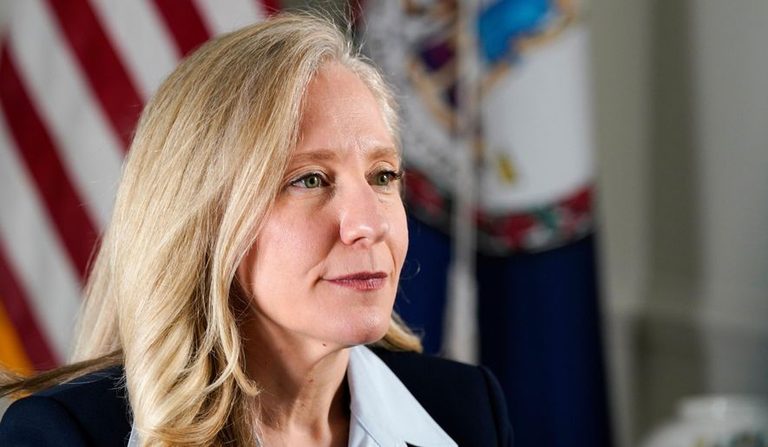
Virginia Governor Abigail Spanberger announced Thursday that the Commonwealth will not submit the required list of Scholarship Granting Organizations (SGOs) for the federal Education Freedom Tax Credit (EFTC) program. By refusing to finalize enrollment, Virginia will be excluded from the initiative when it launches in 2027, meaning state residents cannot claim the tax credit for donations that support education scholarships.
What the EFTC program offers
The EFTC is a federal tax credit that encourages individuals and businesses to donate to private nonprofit SGOs. Those organizations then provide scholarships to low‑ and middle‑income families to help cover tuition, tutoring, special‑needs services and other education expenses. While the program does not use federal tax dollars, it allows donors to reduce their tax liability while supporting families.
Virginia’s withdrawal
Spanberger’s office told The Washington Post that the administration believes the program would not benefit students in public schools and therefore the state will not participate this year. The decision follows an IRS notice that Virginia’s enrollment, begun under former Governor Glenn Youngkin in early 2026, remains incomplete. Without a finalized SGO list, the state cannot meet the federal deadline.
Under the program’s rules, the governor’s withdrawal does not prevent Virginians from making donations to SGOs or from receiving the tax credit. However, because Virginia’s enrollment is unfinished, any donations from Virginians will be allocated to students in other states.
Reactions from officials and groups
Treasury Secretary Scott Bessent criticized the move on X, writing, “Governor Spanberger is slamming the door on education scholarships for Virginia children, including students in public schools.” He added that Virginia’s prior commitment obligates the state to submit the SGO list under federal law.
The Virginia Education Association (VEA), which contributed $25,000 to Spanberger’s campaign in July 2025, defended the withdrawal. In a statement, the teachers’ union said the federal scholarship program would divert critical resources away from public schools, which serve the majority of Virginia’s students, and estimated that public schools could have lost nearly $1 billion annually under the program.
Supporters of the EFTC, including the American Federation for Children, rejected the “voucher” label, emphasizing that no state or federal tax dollars flow through the program. “The money never passes through a government agency. It goes from a private donor to a nonprofit to a family,” the group said.
Implications for Virginia families
Virginia was the first state to join the EFTC initiative, a distinction earned during the Youngkin administration. With the withdrawal, families in the Commonwealth will be ineligible for the scholarship credits when the program becomes operational in 2027. Advocates argue that the loss limits educational options for low‑ and middle‑income households seeking alternatives to public schools.
State officials have not indicated whether the decision will be revisited before the program’s launch. For now, Virginia remains outside the federal effort to expand education choice through tax‑credit‑supported scholarships.
Original reporting: WMAL (Washington DC) — read the source article.