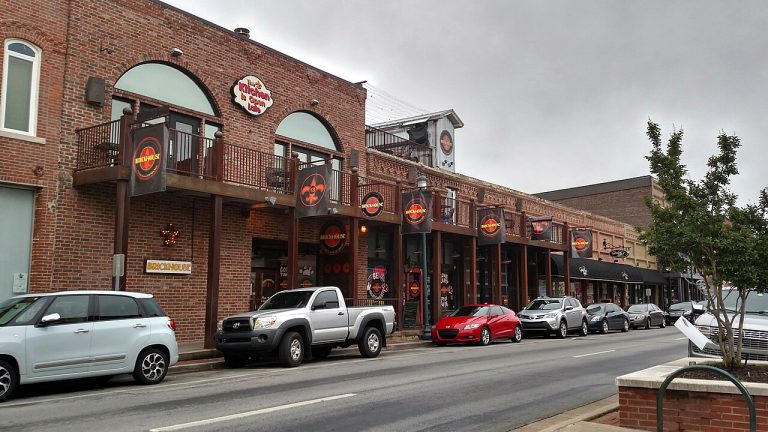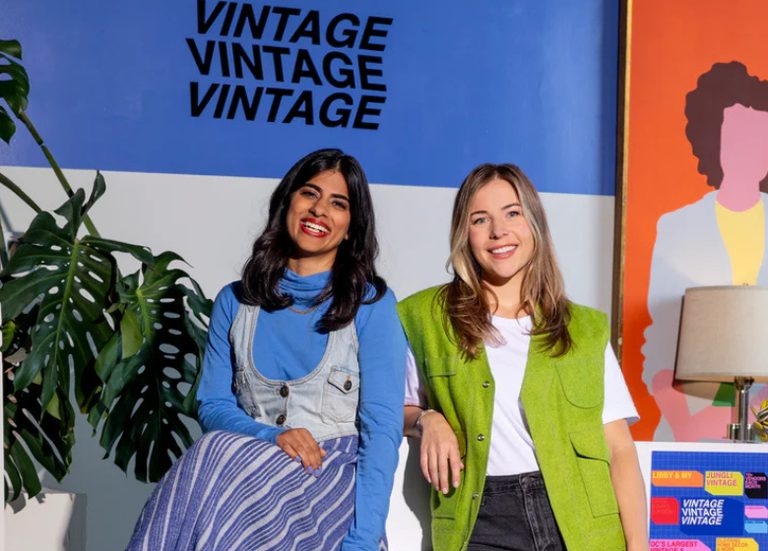
Union Market’s neon‑lit storefront at 1348 4th St. NE is hard to miss. Housed in the former 1950s PNC bank building, Vintage Vintage Vintage offers a curated selection of clothing that is at least 20 years old, distinguishing itself from typical thrift or consignment shops.
Local founders, family‑focused vision
Libby Rasmussen, 35, and her sister‑in‑law Rajni Rao co‑own the shop. Rasmussen, known for her colorful personal style, says the name reflects their “straight‑to‑the‑point” approach to secondhand fashion. Rao, who also runs Jungli Vintage, notes that secondhand shopping has surged as more residents feel a squeeze on their wallets from federal layoffs, higher gas and grocery prices, and persistent inflation.
What makes vintage different?
Rao explains three distinct categories:
- Thrifting: items are donated for free to charities such as the Salvation Army or Goodwill.
- Vintage: clothing or accessories that are 20 years or older. These pieces are often higher‑quality and may carry a higher price tag, but they are built to last.
- Consignment: sellers share the profit with the store, which acts as custodian of the items.
These definitions help shoppers know what to expect and how pricing is determined—generally based on the care taken with each piece and its rarity.
Growth amid a K‑shaped economy
Experts describe today’s economy as “K‑shaped,” with high earners and large corporations pulling ahead while many families struggle. Despite that, the secondhand apparel market grew four times faster than the primary fashion market in 2025, according to an April ThredUp report.
Rao says online secondhand shopping is the most affordable option, but it carries risk because returns are often impossible. Brick‑and‑mortar vintage stores like theirs let shoppers examine items in person and avoid the uncertainty of mail‑order purchases.
Community service and craftsmanship
Customers at Vintage Vintage Vintage can talk directly with staff who mend items on the spot. Rasmussen recalls a shopper asking, “How do I take care of this? Do you have a cobbler I can contact?” The shop’s hands‑on approach reflects a broader trend toward local, sustainable shopping.
Rasmussen grew up in the Midwest and fell in love with vintage after seeing mid‑century glassware. She believes vintage pieces “withstand the times, not only the trends,” offering durability that fast‑fashion items often lack.
Fast fashion versus lasting value
Both owners acknowledge that fast fashion remains popular, especially for shoppers early in their sustainability journey. However, they argue that vintage clothing—originally made for blue‑collar and lower‑income workers—offers better value because of its construction and longevity. “Sometimes fast‑fashion pieces aren’t made of higher‑quality material and won’t last long,” Rao says. “Vintage construction may require some maintenance, but it’s a better bang for your buck.”
As more vintage, thrift, and consignment stores open around D.C., Rao believes the variety of access points helps shoppers at every stage of their secondhand journey, providing affordable, durable options for families navigating today’s economic challenges.
Original reporting: Alexandria, VA News – WTOP News — read the source article.