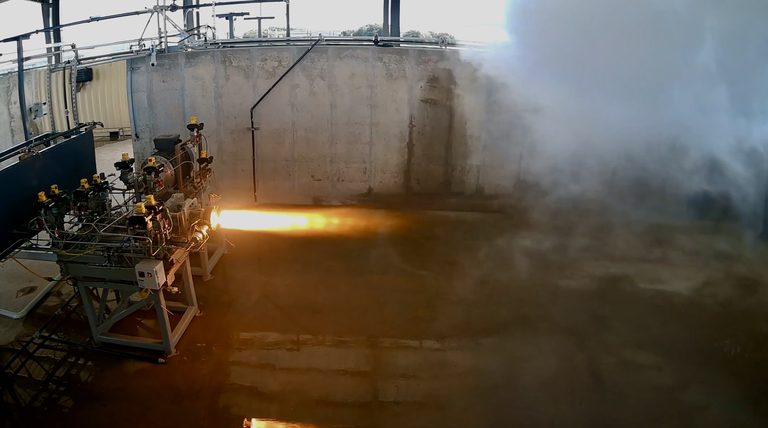
On Sept. 10, Venus Aerospace, a Houston‑based rocket propulsion firm, inaugurated a new propulsion test stand at the Houston Spaceport. The facility is a key piece of infrastructure for the company’s rotating detonation rocket engine technology, a cutting‑edge approach that promises higher efficiency and lower cost for future space missions.
Why the new stand matters
The test stand enables Venus Aerospace to run engines at higher thrust levels and for longer durations, more closely replicating real‑world mission conditions. According to the company’s news release, this increased capability also expands overall testing capacity, allowing the firm to accelerate development timelines and reduce the gap between laboratory work and flight‑ready hardware.
State support and partnership
CEO and Co‑Founder Sassie Duggleby highlighted the importance of public‑private collaboration, saying, “Building and testing propulsion systems at this pace requires the right infrastructure around the technology. We’re grateful to the Texas Space Commission and the state of Texas for investing alongside companies like Venus.” The Texas Space Commission’s investment reflects a broader state strategy to nurture high‑tech aerospace ventures and keep cutting‑edge jobs within Texas.
Impact on the local economy
The new test stand is expected to create skilled technical positions at the Houston Spaceport and generate ancillary business for local suppliers. By bolstering Texas’ aerospace ecosystem, the project aligns with the state’s long‑standing commitment to innovation, job creation, and economic growth rooted in American ingenuity.
Looking ahead
With the expanded testing capability, Venus Aerospace aims to advance its rotating detonation engine program toward flight demonstrations in the coming years. The company’s progress contributes to the United States’ broader goal of maintaining leadership in commercial space launch capabilities, a priority shared by both industry and government.
As the test stand becomes fully operational, the Houston Spaceport will host additional engine tests, further cementing the region’s reputation as a hub for aerospace research and development.
Original reporting: Community Impact — Houston — read the source article.