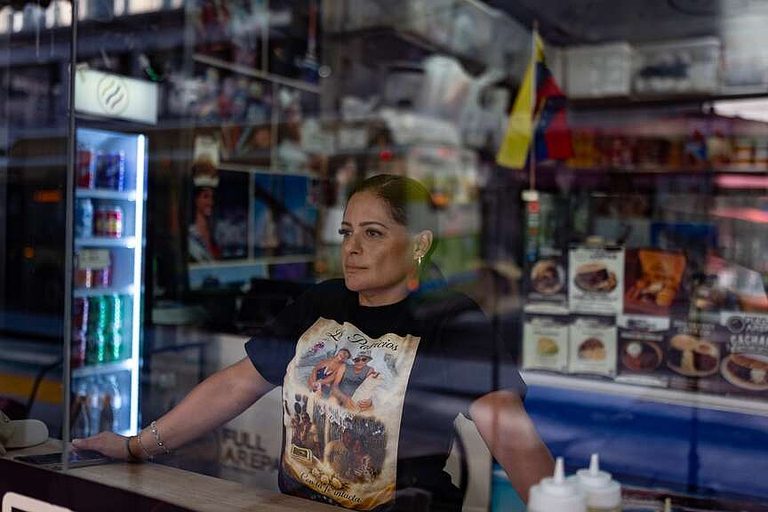
Los Angeles – Two months after the devastating back‑to‑back earthquakes that struck north‑central Venezuela on June 24, Venezuelan immigrants in the United States are still grappling with loss, survivor’s guilt, and a tightening of immigration pathways under President Trump’s administration.
Local families turn tragedy into aid
Kelly Granado Montano, a 43‑year‑old restaurateur in Los Angeles, turned her eatery, Full Arepas, into a relief hub. After her parents were buried in the collapse of a 10‑story building in La Guaira, she raised funds, hired an excavator and a drone operator, and helped locate the remains. The discovery of her parents on August 19 was “bittersweet,” she said, because they were found alive but not as she had hoped.
In Austin, emergency‑room nurse Dariela Merchan, 28, cannot return to Venezuela because her passport expired after Venezuelan consulates closed. She has used her TikTok platform to recruit volunteers for free tele‑health sessions and has shipped donated scrubs and medical supplies to a nonprofit in La Guaira, covering most of the $1,200 shipping cost herself.
Students and young professionals feel the strain
Florida International University senior Alejandro Marquina, 22, lost five relatives in the quake. The trauma has triggered nightmares, panic attacks, and a pause in his studies. He has raised $2,000 for earthquake survivors and continues therapy to cope with survivor’s guilt.
Diana Ramos, a Tucson resident, also watches the disaster’s ripple effects on her family, though her story was cut short in the source.
Policy backdrop: Trump administration’s immigration crackdown
The human stories unfold against a broader policy shift. Since the U.S. military operation that removed Nicolás Maduro in January, President Trump has tightened immigration enforcement toward Venezuelans. Programs that previously allowed more than 700,000 Venezuelans to live and work legally in the United States are being narrowed or ended, making it harder for families to stay or return.
Critics argue the policy harms a community already burdened by economic hardship and the recent natural disaster. The source notes that the diaspora’s numbers grew to 1.2 million between 2019 and 2024, many seeking relief from Venezuela’s collapsing economy.
Community response
Despite the policy pressure, Venezuelan immigrants are mobilizing. Granado Montano is establishing a foundation to continue aid, Merchan is coordinating medical shipments, and Marquina is using his journalism studies to raise awareness and funds. Their efforts illustrate the resilience of a diaspora that remains deeply connected to its homeland while building new roots in American cities.
Original reporting: Texarkana Gazette — read the source article.