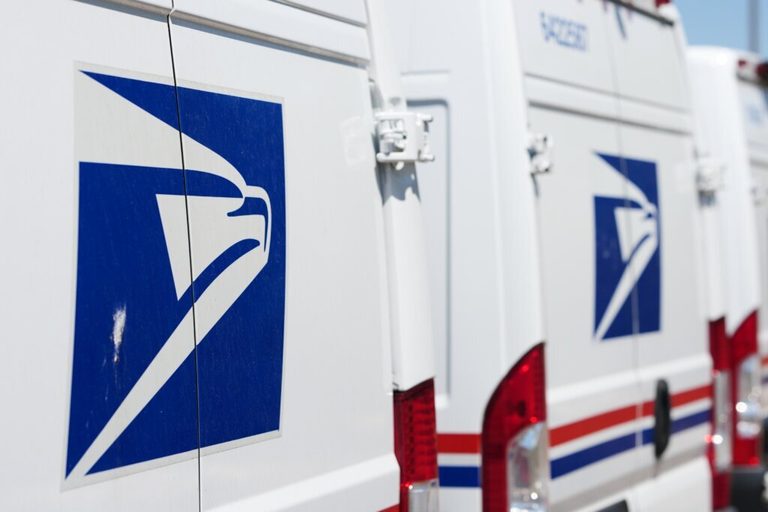
The U.S. Postal Service released a set of new requirements for handling mail ballots on August 24, 2026, just days before several states are scheduled to begin sending ballots to voters. The timing coincides with a recent Supreme Court decision that cleared the way for President Donald Trump’s executive order limiting how mail ballots may be processed in the November elections.
Key provisions of the USPS rule
The proposed rule would prohibit the Postal Service from delivering mail ballots from any state that does not comply with the Trump administration’s directive. It also calls for a redesign of the envelopes used to contain the ballots and requires states to submit voter lists in order to receive ballot delivery services.
Under the rule, states must demonstrate compliance with the executive order before the Postal Service can distribute ballots. The first batch of mail ballots is slated to be sent to military and overseas voters in North Carolina on September 4, giving states a narrow window to adjust their ballot formats.
Legal backdrop
The Supreme Court’s recent clearance focused only on whether the legal challenge to the executive order was premature; it did not address the constitutionality of the new USPS regulation. Earlier, a federal judge in Boston, prompted by Democratic‑run states, had suspended the order in June. A second ruling from the same judge could block any procedural changes before the midterm elections, potentially requiring further judicial review.
Lawyers representing Democratic‑controlled states and civil‑rights groups argue that the President lacks authority to alter election procedures that are traditionally reserved for the states or Congress under the Constitution. They contend that Congress has not passed legislation to implement the changes sought by the administration.
Impact on upcoming elections
Because the first mail ballots must be mailed by early September, many states may find it impossible to redesign ballot envelopes and voter‑list procedures in time. If the rule is enforced, states that fail to meet the new standards could see their mail‑in voting options limited or delayed, potentially affecting voter participation in the 2026 midterm elections.
The Postal Service declined to comment on the rule, citing ongoing litigation. The administration has appealed to the Supreme Court to allow the executive order to move forward, emphasizing the need for a federal list of eligible voters to which mail ballots would be sent.
What voters should watch
Voters, especially those serving overseas or in the military, should monitor announcements from their state election officials regarding any changes to ballot envelopes or mailing deadlines. Advocacy groups continue to file lawsuits challenging the rule, and further court decisions could alter the implementation timeline before the November elections.
As the legal battles unfold, the interplay between federal authority, state election administration, and constitutional limits remains a focal point for voters, election officials, and policymakers nationwide.
Original reporting: Alexandria, VA News – WTOP News — read the source article.