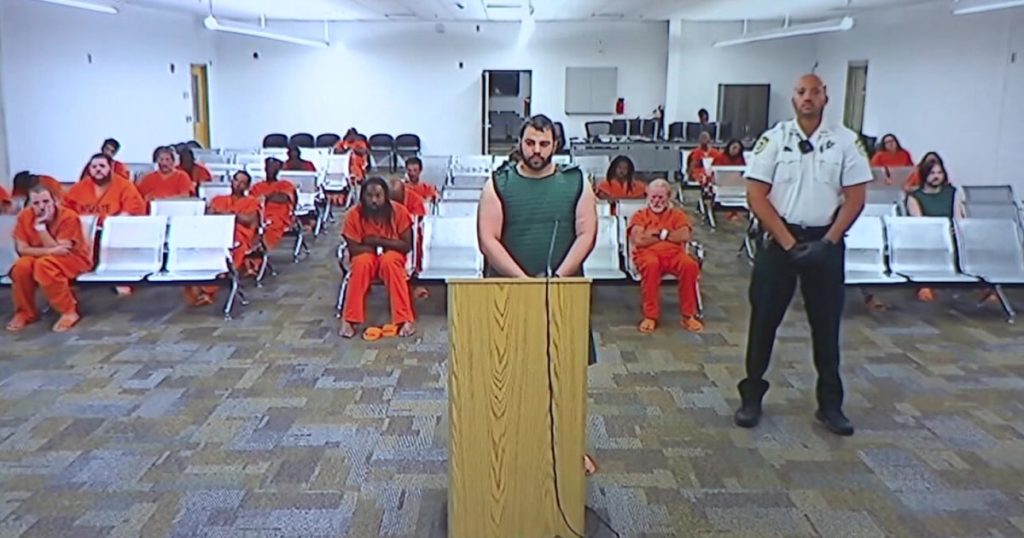
TAMPA, Fla. — Hashim Abugarbieh, also reported as Hisham Abugarbieh, is scheduled to be arraigned Monday in Hillsborough County on charges tied to the killings of two University of South Florida doctoral students, Nahida Bristy and Zamil Limon. The case has drawn attention because prosecutors say the killings were premeditated, that Abugarbieh faces multiple counts consolidated into a single capital case, and that state changes to death penalty law signed by Governor Ron DeSantis play into how this prosecution will proceed. FOX 13 reporting by Mariah Harrison has followed developments as the court prepares for the arraignment and potential capital sentencing.
The prosecution has consolidated the deaths of Nahida Bristy and Zamil Limon into one trial, meaning Abugarbieh will face a combined set of charges rather than separate proceedings. Authorities brought eight counts in what state officials describe as a death penalty case, signaling they intend to pursue the most severe penalties available. Court records and filings show prosecutors are moving aggressively to present the killings as part of a single, planned offense.
Investigators say the allegations include premeditation and aggravating circumstances, and they noted a prior violent felony conviction for Abugarbieh as part of their legal notice seeking capital sentencing. Prosecutors have pointed to digital evidence in their effort to establish planning and intent, and they indicate those findings will be central at the arraignment and in any subsequent capital phase. The notice frames the crimes as cold, calculated, and especially heinous.
State Attorney Lopez highlighted the role of AI searches in the timeline prosecutors will present, arguing they show deliberate planning. “Everything that the defendant was thinking is seen in his ChatGPT questions that he asked,” Lopez said. “And then he later got answers to those questions. And it shows the premeditated nature of everything that he did and that he is alleged to have done.” That quote anchors the prosecution’s claim that electronic queries reveal mindset and intent.
Florida updated its death penalty rules in 2023, and those changes matter for this case because they alter how a jury recommendation translates to a final sentence. Under the 2023 law signed by Governor Ron DeSantis, a judge may impose the death penalty if at least eight of 12 jurors vote for execution, replacing the previous requirement of a unanimous jury recommendation. Defense lawyers and legal commentators expect arguments over constitutionality and jury instructions to surface as the case moves toward trial.
At this stage, prosecutors say motive remains unclear; the precise reason the two students were targeted has not been publicly established. Investigators continue to examine evidence gathered from digital devices, scene forensics, and witness interviews, but officials have not released a definitive explanation for why Nahida Bristy and Zamil Limon were killed. The uncertainty about motive will likely shape pretrial motions and the defense strategy as attorneys prepare for arraignment and discovery.
Court watchers in Tampa will be watching Monday’s arraignment for how charges are formally presented and how the judge sets the coming schedule, including pretrial deadlines and potential motions over evidence. The consolidation into a single case, the alleged use of ChatGPT queries, and the state’s changed death penalty standard all make this a high-profile matter in Hillsborough County. Reporting on the case has been followed closely by local news outlets and by those concerned about public safety on and around the USF campus.