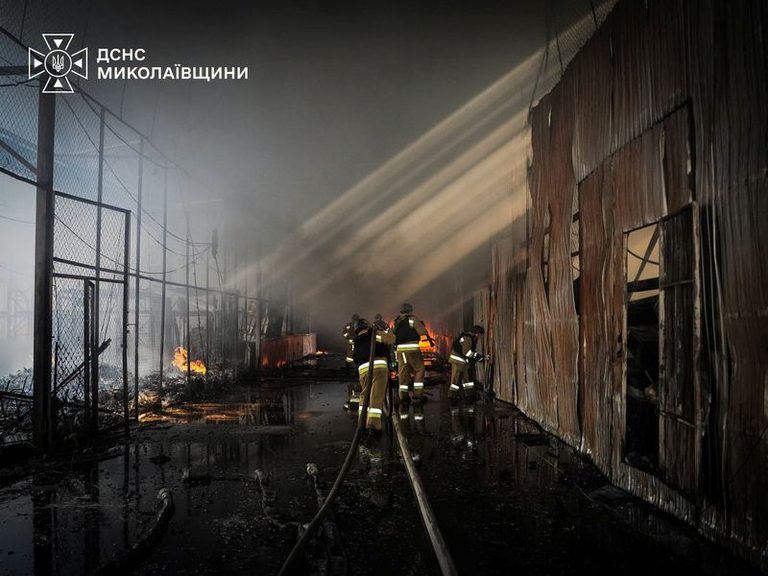
Geneva – In a sobering briefing to the international community, the United Nations’ humanitarian coordinator for Ukraine, Matthias Schmale, announced that the agency is evaluating the use of underground bunkers to protect critical aid supplies from Russian strikes. Ten of the U.N.’s warehouses in Ukraine have been hit this year, destroying millions of dollars’ worth of medical kits, hygiene supplies and children’s school supplies.
Escalating Threats to Aid Distribution
Schmale described the attacks as a “new trend” that has emerged over the past few months, noting that the deliberate targeting of warehousing capacity threatens the ability of humanitarian groups to deliver life‑saving assistance. He warned that the front line is increasingly “moving into the air,” forcing aid organizations to adapt quickly.
Underground Storage as a Defensive Measure
To mitigate further losses, the U.N. is weighing the relocation of essential goods into underground facilities. The plan includes delaying new purchases until the last possible moment to reduce exposure to air‑borne attacks. While this strategy could safeguard supplies, it also carries a higher price tag.
Schmale emphasized that the additional costs will ultimately be borne by taxpayers, who fund the U.N.’s $2.3 billion aid budget for 2026. “That means extra cost also to the taxpayers, who at the end of the day pay for the goods that the U.N. and other humanitarians bring in,” he said.
Enhanced Protection for Staff
The U.N. is also investing in protective equipment for its personnel, including more armored vehicles and drone‑detection devices. Schmale mentioned the possibility of deploying mobile drone shelters in public spaces such as bus stops to shield civilians as civilian casualties rise.
Implications for the Global Community
These developments underscore the growing financial and logistical burden placed on the international community to support Ukraine’s war‑torn population. While the United States and its allies have pledged substantial aid, the need for innovative protection measures highlights the persistent danger posed by Russian aggression.
Schmale’s remarks serve as a reminder that continued donor commitment is essential to sustain humanitarian operations and prevent further loss of life and essential services in Ukraine.
Original reporting: Appleton, WI News Feed (HLL/CB) — read the source article.