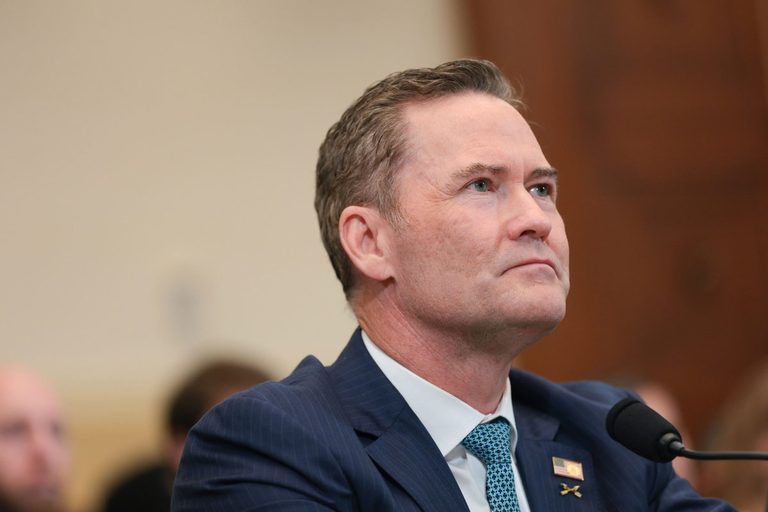
In a nationally televised interview on CNN’s State of the Union,” U.N. Ambassador Mike Waltz defended President Donald Trump’s recent decision to bar CNN, MS NOW and Politico from White House press facilities. Waltz argued that the president has the legal right to restrict journalists who, in his view, are not acting as good‑faith reporters, citing the 1965 Supreme Court case Zemel v. Rusk as precedent.
Administration’s Legal Rationale
“The president is absolutely within his rights to limit journalists to government facilities, particularly when, in his opinion, they’re not behaving as good‑faith journalists,” Waltz said, adding that this interpretation aligns with the Supreme Court’s opinion. He emphasized that the administration’s stance is rooted in protecting the integrity of the press pool and ensuring that coverage does not become a vehicle for intentional negativity.
Press Outlets Prepare Legal Action
CNN, MS NOW and Politico have announced plans to file injunctions and temporary restraining orders, seeking a court ruling that the ban constitutes unlawful viewpoint discrimination. Freedom of the Press Foundation deputy director Adam Rose and Foundation for Individual Rights and Expression attorney Conor Fitzpatrick warned that the restriction could set a dangerous precedent for future censorship.
Critics and Congressional Response
National Press Club President Mark Schoeff Jr. and White House Correspondents’ Association president Jacqui Heinrich, both representing the broader journalism community, condemned the ban as a violation of the First Amendment. Democratic officials, including Maryland Governor Wes Moore, labeled the action a constitutional concern.
Republican Perspective
Senator Steve Scalise highlighted the president’s willingness to engage with reporters, noting his historically lengthy question‑and‑answer sessions. While Republican lawmakers avoided detailed legal discussion, they framed the issue as a political disagreement rather than a constitutional crisis.
What This Means for the Press Pool
The White House press pool has long been a hallmark of transparent government communication. The administration’s position is that selective access is permissible when a news outlet’s conduct undermines the pool’s purpose. Legal experts anticipate that courts will closely examine the balance between presidential authority and First Amendment protections.
Looking Ahead
As the lawsuits move forward, the Trump administration is prepared to defend its actions in court, asserting that the president’s discretion over press access is both constitutionally sound and essential for maintaining a respectful dialogue between the executive branch and the media.
Original reporting: KTVZ (Central Oregon) — read the source article.