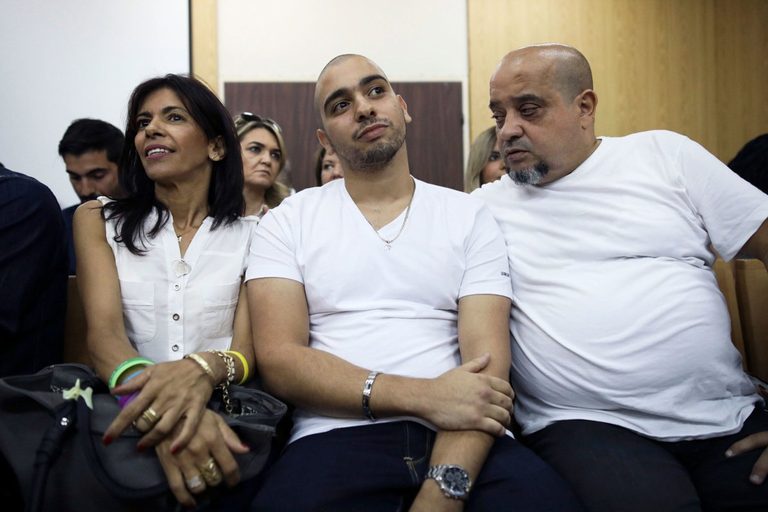
President Isaac Herzog announced on Saturday that he has pardoned former soldier Elor Azaria, who was convicted in 2016 for shooting an incapacitated Palestinian attacker in the occupied West Bank. The pardon removes Azaria’s criminal record and permits him to “continue with his life,” Herzog said in a statement released on the eve of Yom Kippur.
Background of the case
Azaria, then serving as a combat medic, approached a Palestinian man suspected of a knife attack and shot him in the head while the man lay wounded on the street. He was convicted of murder and sentenced to 18 months in prison, ultimately serving nine months before his release. Critics argued the sentence was too lenient, while supporters on the political right, including Prime Minister Benjamin Netanyahu, called for a pardon.
Military and political reactions
The Israeli Defense Forces (IDF) described the shooting as a “grave breach of IDF values, conduct and standards of military operations.” IDF Chief of Staff Lt. Gen. Eyal Zamir opposed the pardon, stating that Azaria had never expressed remorse and that no “specific personal circumstances of significant weight” justified the clemency.
Former Defense Minister Moshe Ya’alon also condemned the decision, accusing Azaria of killing the attacker “because he deserved to die” and criticizing Herzog for erasing the record without hearing from the soldier.
In contrast, Defense Minister Israel Katz praised the pardon as “humane and appropriate,” saying the time had come for Azaria to put the past behind him and rebuild his future.
Implications
The pardon reignites debate over the balance between military discipline and political considerations in Israel. While some view the decision as a step toward forgiveness and reconciliation, others fear it may politicize the armed forces and set a precedent for future clemency requests.
Original reporting: KTVZ (Central Oregon) — read the source article.