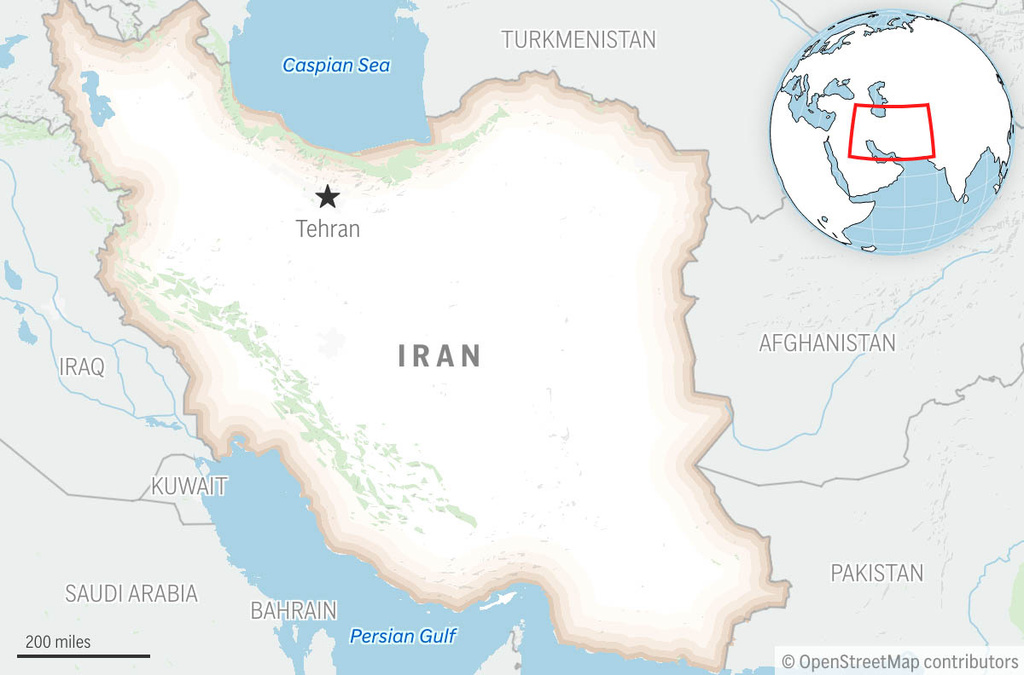
The International Atomic Energy Agency (IAEA), the United Nations’ nuclear watchdog, has reported significant challenges in inspecting nuclear facilities in Iran. According to a confidential report seen by the Associated Press, the IAEA has been unable to access several sites affected by last June’s conflict, raising concerns about the status of Iran’s enriched uranium stockpiles.
The IAEA stated it cannot provide current information on the size, composition, or location of Iran’s enriched uranium reserves. This situation hampers the agency’s ability to fulfill its responsibilities under the Safeguards Agreement of the Nuclear Non-Proliferation Treaty. The agency emphasized the urgent need for Iran to comply with its treaty obligations.
Since the last report in February, the only Iranian nuclear facility inspected by IAEA officials was the Bushehr nuclear power plant. The inspection took place from June 1-3. The Bushehr reactor operates using uranium enriched to 4.5% from Russia, a level suitable for power generation.
Regional Tensions and Nuclear Concerns
The report comes amid heightened tensions in the Middle East. Recent incidents include an Iranian drone attack on Kuwait’s main airport, which resulted in one death and several injuries, temporarily closing the airfield. These events are part of a series of retaliatory actions between Iran and the United States, testing the fragile ceasefire in the region.
According to the IAEA, Iran’s stockpile includes 440.9 kilograms of uranium enriched up to 60% purity, a short technical step from weapons-grade levels of 90%. This amount could potentially allow Iran to construct up to ten nuclear bombs if it chooses to weaponize its program, though the IAEA director general Rafael Grossi clarified that this does not mean Iran currently possesses such weapons.
IAEA guidelines typically require monthly verification of highly enriched nuclear material. However, the ongoing conflict and lack of access have complicated these efforts.
Diplomatic Efforts and Global Impact
Grossi expressed his support for ongoing negotiations aimed at resolving issues related to Iran’s nuclear program and reiterated his readiness to assist in reaching an agreement. Despite weeks of talks, mediators have struggled to establish a lasting truce in the conflict, now in its fourth month. The situation is further strained by Israel’s conflict with Iran-backed Hezbollah militants in Lebanon.
The geopolitical tensions have significant implications for global energy markets. Iran’s control over the Strait of Hormuz, a vital waterway for oil and natural gas, coupled with the U.S. blockade of Iranian ports, has kept global fuel prices high, affecting economies worldwide.
Original reporting: KTSA News/Talk (San Antonio) — read the source article.