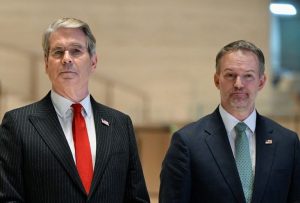
British Prime Minister Andy Burnham has publicly challenged a decades‑old law that prohibits fans from drinking beer in the stands of England’s top five football divisions. Speaking at the United Nations, Burnham called the rule “discriminatory” because supporters of other sports such as rugby, tennis and cricket can enjoy alcoholic beverages while watching games.
Origins of the ban
The Sporting Events Act of 1985 was introduced by Margaret Thatcher’s government to curb football‑related violence. At the time, the Home Secretary warned that alcohol was a “major contributory factor in violent and disorderly behavior,” prompting the ban.
Changing attitudes
Since the 1990s, incidents of hooliganism have markedly declined, and English fans now enjoy a better reputation abroad. Recent trials in the Women’s Super League have allowed beer sales, showing a possible path forward for the men’s game.
Police concerns
The UK Football Policing Unit (UKFPC) cautioned that any amendment could pose “challenges” to the safety of staff and fans, noting that football matches still see higher rates of violence and criminal behaviour compared with other sports. The unit warned that increasing alcohol consumption at games could be “irresponsible”.
Support for reform
Despite police reservations, the Football Supporters’ Association has labeled the 1985 legislation “outdated”. Its president, Tom Greatrex, welcomed Burnham’s comments and urged a review of the law.
What’s next?
Burnham suggested a trial approach could be used to assess the impact of allowing beer in stadiums. No official legislative proposal has been filed yet, but the conversation has sparked debate among fans, clubs and law‑enforcement officials.
For now, supporters will likely continue to enjoy a pint at the pub before heading to the match, but the prospect of a beer‑friendly stadium may soon become a reality.
Original reporting: El Paso News (HLL/CB) — read the source article.