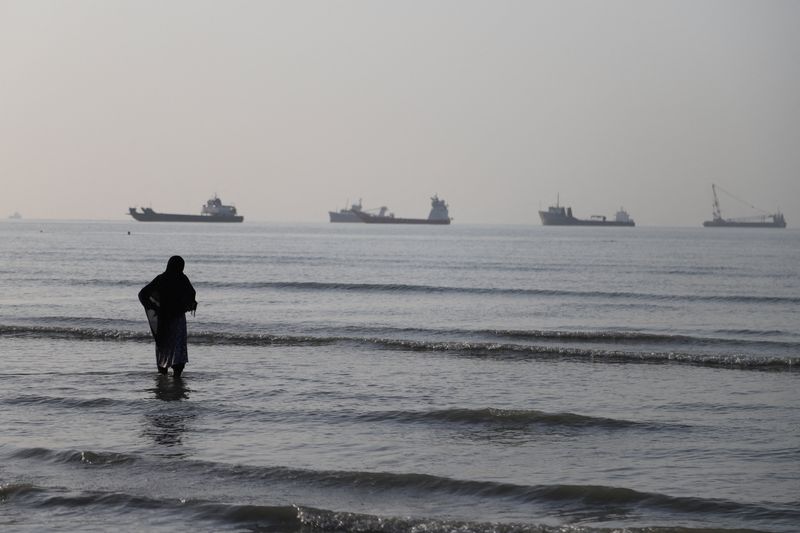
In a significant escalation of tensions in the Gulf region, U.S. forces launched strikes on Iranian coastal radar sites following the interception of drones launched by Iran. The drones were reportedly targeting maritime traffic in the strategically crucial Strait of Hormuz, according to U.S. Central Command.
The U.S. military’s response involved targeting surveillance sites located in Goruk and Qeshm Island, both situated on the Strait of Hormuz. This move comes as part of ongoing efforts to manage the conflict that has persisted for over three months between the U.S. and Iran.
Iran’s Revolutionary Guard Corps retaliated by claiming missile attacks on U.S. bases in the region and targeting tankers attempting to navigate the strait without Iranian permission. The situation has led to heightened security measures in neighboring countries, with Kuwaiti air defenses intercepting missile and drone attacks, and sirens sounding in Bahrain.
Despite ongoing indirect negotiations aimed at reaching an interim peace deal, the conflict remains unresolved. Tehran’s demands include access to oil revenues and the lifting of sanctions, while the U.S. seeks to curb Iran’s nuclear ambitions. The blockade of the Strait of Hormuz by Iran has exacerbated global oil supply issues, contributing to rising fuel prices and economic pressures.
President Donald Trump, facing domestic pressure due to these economic impacts, has emphasized the destruction of a significant portion of Iran’s missile and drone capabilities. However, he acknowledged that Iran retains a substantial arsenal, complicating peace efforts.
Parallel conflicts continue to unfold in the region, notably involving Hezbollah in Lebanon, where tensions with Israel have escalated. Iran’s support for Hezbollah and demands for Israeli withdrawal from southern Lebanon are part of broader regional dynamics influencing the U.S.-Iran negotiations.
The ongoing conflict has had widespread repercussions, including disruptions to global supply chains and increased humanitarian concerns, as highlighted by the U.N. World Food Programme.
Original reporting: Appleton, WI News Feed (HLL/CB) — read the source article.