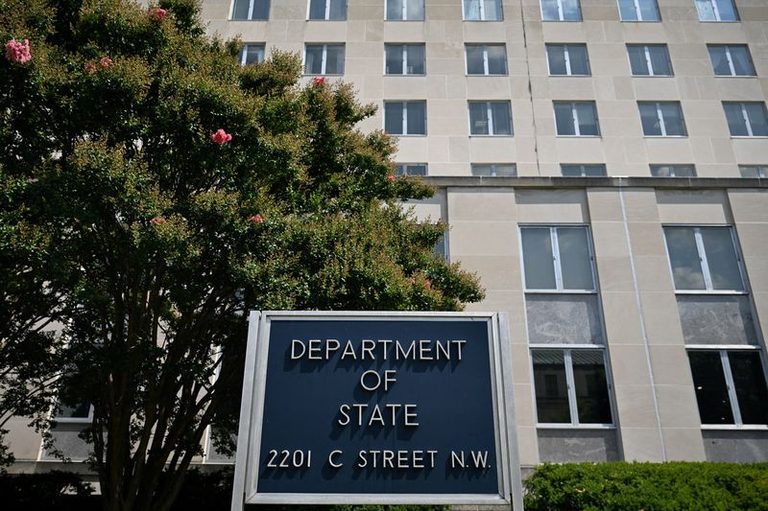
The U.S. State Department is moving to restore its diplomatic presence in the Middle East after a series of evacuations that took place before and during the recent war with Iran. An internal State Department document, cited by the New York Times, indicates that Foreign Service officers could be back in embassies as early as this week.
Background on the evacuations
When tensions escalated between the United States and Iran, several American embassies in the region were placed on heightened alert. Personnel were relocated to safer locations, and emergency measures were put in place to protect staff and American citizens abroad. Those actions were taken in coordination with host‑nation governments and followed standard diplomatic security protocols.
During the conflict, the State Department scaled back routine operations at its missions, limiting consular services and reducing on‑site staff to essential personnel only. The evacuations were intended to be temporary, pending a reassessment of the security environment.
Plans for a phased return
The newly released document outlines a phased approach to re‑establishing a full diplomatic footprint. Initial steps include sending a small contingent of senior officers to assess conditions, followed by a gradual increase in staff as security permits. The goal is to resume normal embassy functions, including visa processing, trade promotion, and political reporting.
State Department officials emphasized that the decision to return diplomats will be guided by ongoing intelligence assessments and the cooperation of host‑nation authorities. They also noted that emergency response capabilities will remain in place should the situation deteriorate again.
Implications for U.S. foreign policy
Restoring diplomatic staff signals a shift toward stabilizing relations in the region after a period of heightened conflict. A full diplomatic presence enables the United States to engage more directly with regional partners, monitor developments, and protect American interests.
Analysts suggest that the move may also support broader U.S. strategic objectives, such as encouraging de‑escalation, facilitating humanitarian assistance, and promoting economic ties. However, they caution that the security environment remains fluid, and any further escalation could necessitate additional protective measures.
What this means for Americans abroad
For U.S. citizens living or traveling in the Middle East, the return of diplomats could improve access to consular services, including passport renewals, emergency assistance, and legal guidance. The State Department has urged Americans to remain vigilant, register their travel plans with the Smart Traveler Enrollment Program (STEP), and follow local safety advisories.
Overall, the planned redeployment reflects a measured effort to balance the need for diplomatic engagement with the imperative of safeguarding American personnel.
Original reporting: Appleton, WI News Feed (HLL/CB) — read the source article.