The World Cup is set to begin next week, spanning 16 cities across the United States, Mexico, and Canada. This massive event involves 48 teams and 104 matches, presenting an unprecedented security challenge for the host nations. The United States, in particular, is gearing up for this event against a complex backdrop of geopolitical tensions, including the ongoing conflict involving the U.S. and Israel against Iran, and concerns over artificial intelligence-driven disruptions.
Coordinated Security Efforts
Security for the World Cup is being managed by a vast network of federal agencies, state and local police departments, and private entities. Their responsibilities include securing stadiums, fan zones, and ensuring the safety of teams and dignitaries. Advanced technologies such as hunter drones, robot dogs for bag inspections, and AI-powered cameras are being deployed to enhance security measures.
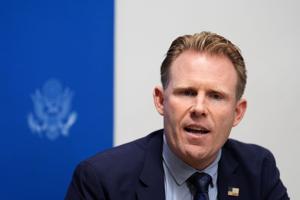
Andrew Giuliani, executive director of Trump’s World Cup task force, likened the event to hosting ’78 Super Bowls over 39 days.’ The tournament has been given a high-level federal security designation, ensuring coordination among federal, state, and local agencies. This comes at a time when the Department of Homeland Security is focused on immigration enforcement and recovering from a recent funding lapse.
Technological and Geopolitical Threats
One of the primary concerns for security officials is the threat posed by drones, which have been used in recent conflicts, including Russia’s war in Ukraine. The FBI and local law enforcement agencies are working together to mitigate these threats, employing a variety of strategies to monitor and neutralize unauthorized drones.
Additionally, the sophistication of AI-generated videos poses a risk of misinformation and panic. The FBI plans to activate joint operations centers in each host city to monitor and investigate potential threats, ensuring that any false information can be quickly debunked.
Private Sector Involvement
The World Cup also presents an opportunity for private technology companies to showcase their capabilities. AI companies are collaborating with police departments in host cities to analyze data and prevent potential threats, including unruly fan behavior. In Dallas, a recent tech upgrade will allow police to use body cameras with real-time translation capabilities to communicate effectively with international visitors.
As the World Cup approaches, the focus remains on maintaining security and ensuring a successful event. Giuliani emphasized that if the security efforts are successful, the focus will remain on the games themselves, rather than the security challenges.
Original reporting: KTBS 3 (Shreveport) — read the source article.