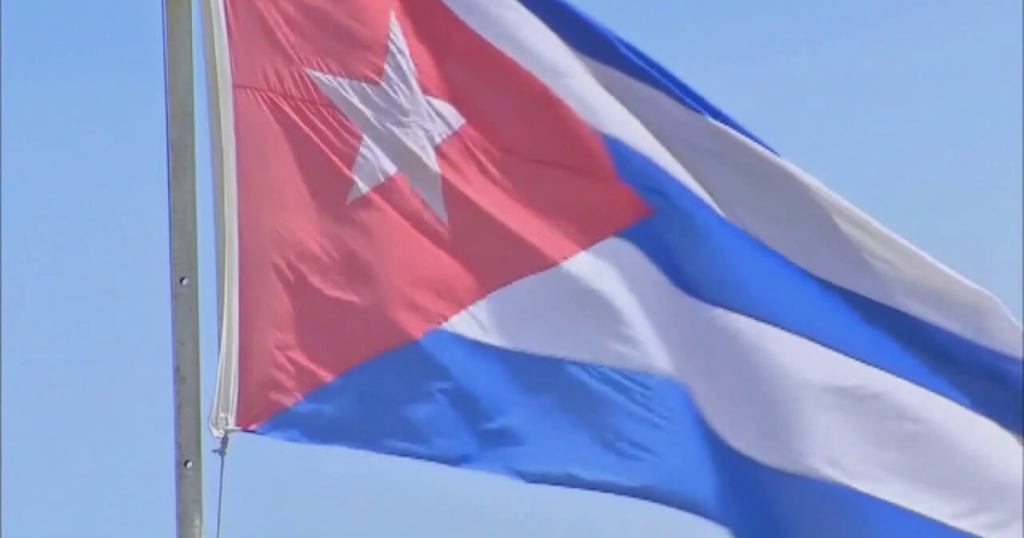
Tampa reporters are tracking a growing crisis in Cuba as the island’s power system collapses while the U.S. maintains tight restrictions on oil imports. The story threads through comments from U.S. leaders Marco Rubio and Donald Trump, mentions of Raul Castro, and stark numbers about oil needs and production. Residents in Cuba are enduring rolling blackouts, hospitals are rationing fuel, and local Tampa families with ties to the island are watching closely. This piece lays out the humanitarian strain, the geopolitical backdrop, and the possible next moves from Washington.
Cuba’s grid is failing in plain view. The island now produces roughly 40,000 barrels of oil per day while needing about 100,000 to keep lights and basic services running, and the country has officially exhausted its reserves. Shortages have left public electricity limited to as little as 30 to 90 minutes a day in many places, forcing people to cook over charcoal or wood and, in some cases, sleep outdoors to escape the heat. Critical services like hospitals are being prioritized for the little fuel that remains.
The immediate cause of the current squeeze is the severe restriction on foreign oil reaching Cuba. For years Havana relied heavily on Venezuelan shipments, but after U.S. actions in Venezuela and a change in flow dynamics, those shipments dwindled. The Trump administration’s moves in the region changed the logistics of supply and left Cuba far more exposed than it had been when Caracas was reliably sending fuel. With fewer legal avenues for oil imports, the regime is scrambling to allocate dwindling resources.
American officials frame the pressure as leverage. U.S. policymakers want the current Cuban leadership to step aside or undertake meaningful reforms, and they have tied openings to demands like removing Chinese and Russian surveillance technology embedded in Cuban infrastructure. Secretary of State Marco Rubio put it plainly: “It’s a broken, non-functional economy, and it’s impossible to change it. I wish it were different…. You cannot change the economic trajectory of Cuba as long as the people who are in charge of it, now, are in charge of it.” That blunt assessment sets the tone for tougher measures.
President Donald Trump has signaled a readiness to press the issue even harder. He has publicly suggested that Cuba could be a next target of U.S. energy and strategic policy, saying, “Taking Cuba, I mean, whether I free it, take it, I think I could do anything I want with it, if you want to know the truth… I do believe I’ll have the honor of having the honor of taking Cuba. That’d be good. That’s a big honor.” Those words show a willingness to consider aggressive options, whether diplomatic, economic, or otherwise.
Washington’s posture is feeding a debate about legal and military steps that might follow if the pressure campaign escalates. There are reports circulating in national outlets about potential indictments tied to past acts, notably the 1996 shootdown of civilian aircraft over the Straits of Florida that killed Americans. Raul Castro, who remains influential at age 94, is specifically mentioned in discussions about possible legal action and the political fallout it would trigger.
Some members of Congress have already urged the administration to pursue accountability. A handful of lawmakers, particularly those representing South Florida, have signed letters pressing for an indictment of Raul Castro, reflecting strong political pressure from constituencies with deep Cuban roots. For families in Tampa with relatives on the island, these moves are intensely personal; the embargo’s impact is not abstract, it hits loved ones who suddenly have far less access to power and basic goods.
The humanitarian side is grim and immediate. When power is on for just an hour or two, people rush to cook, charge devices, and run water pumps, creating chaotic demand spikes that the grid cannot sustain. Hospitals get the prioritized fuel, but clinics and homes go without; aging infrastructure that once functioned with external oil support now falters under the strain. In the heat and humidity, the lack of consistent electricity is also a public health threat, not just an inconvenience.
Beyond the short-term crisis, the broader strategy is clear: apply pressure until the Cuban government either reforms or loses its grip. That strategy risks real harm to ordinary Cubans even as it targets the regime. There are tough questions about whether cutting off energy is an effective lever for political change or a policy that deepens suffering without guaranteeing reform. Those debates will play out in Congress, in the White House, and in communities across Florida with family ties to Cuba.
Whatever comes next, the situation on the island is fragile and the stakes are high. The interplay of sanctions, legal moves, and military options leaves the region watching closely, and cities like Tampa remain connected to the story through history and family. The coming weeks could bring indictments, more sanctions, or shifts in policy that will determine whether the crisis deepens or a new path emerges.