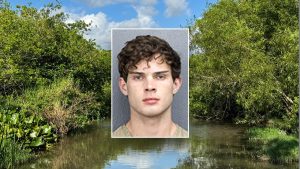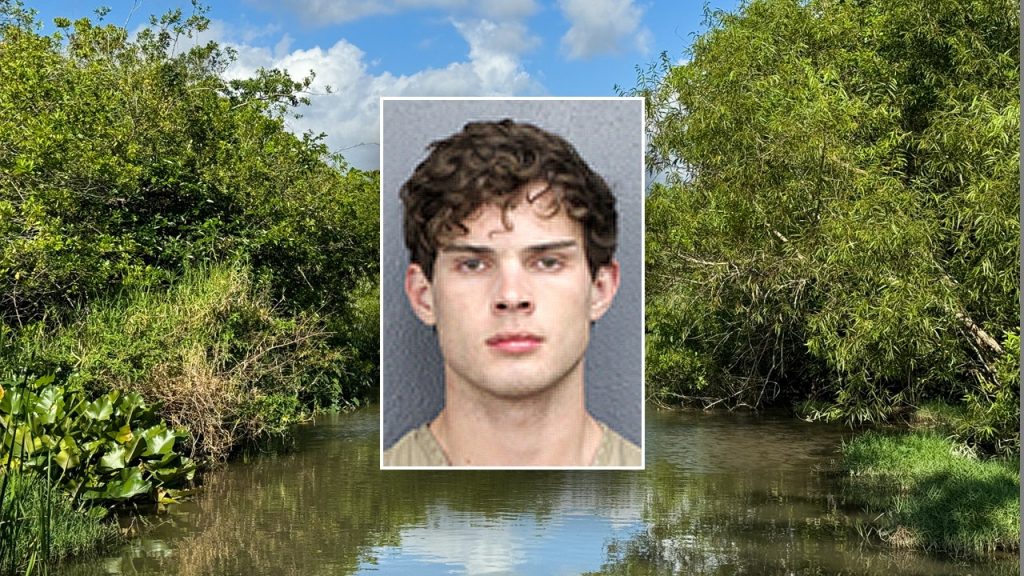
Clavicular, known offscreen as Braden Eric Peters, has been at the center of a strange online saga that stretches from podcast soundbites with Michael Knowles to a March incident in the Florida Everglades and a recent courtroom appearance in South Florida. He first grabbed wider attention after saying “Euphoria” star Sydney Sweeney was “mid” looking and has since been involved in a public overdose on a livestream and a misdemeanor charge for repeatedly shooting an alligator on camera. The Florida Wildlife Commission pursued the case, and a hearing last Friday brought the influencer back into the spotlight. What followed online was equal parts legal drama and meme-fueled ridicule.
Clavicular rose to fame as an internet figure pushing the looksmaxxing movement, and his persona thrives on blunt takes and showy stunts. That notoriety cemented after the exchange with Michael Knowles, where he declared Sydney Sweeney “mid” and turned heads for his confidence. His online life has always been performative, but the trip to the Everglades turned performance into police paperwork. Authorities say the alligator shooting in March crossed a line and led to misdemeanor charges that got formal attention.
The Florida Wildlife Commission reacted to the video clips that circulated, and that response set the stage for the hearing in South Florida. Clavicular arrived at court with his usual bravado, the kind of swagger that feeds engagement metrics but doesn’t translate well in legal settings. The proceeding put him in front of a judge whose presence—commentators joked—made Clavicular look sheepish by comparison. On social feeds, users compared the bench to pop-culture icons and ran with the image of Clavicular facing off against someone described as part Jon Hamm, part GigaChad.
Online, nobody held back. Memes, reaction clips, and mocking threads flooded platforms after the hearing, and the influencer’s followers watched as the narrative shifted from “looks” debates to courtroom visuals and legal consequences. Some of the ridicule was merciless, framing the scene as a lesson in humility for someone who built a brand out of sharp looks and bold commentary. At the same time, a number of observers expressed genuine concern over the alligator incident and the streamer’s prior overdose, arguing those are public-safety matters beyond mere entertainment.
The case itself centers on the March episode in the Everglades, where footage shows the influencer firing at an alligator while broadcasting. That footage attracted the FWC and prompted the misdemeanor charge, moving what might have been an online stunt into formal legal territory. Courtroom details have focused on whether the conduct violated state wildlife protections and on the broader implications of livestreamed behavior that crosses into illegality. The matter illustrates how social-media stunts can escalate into real-world liabilities quickly.
Clavicular’s rise, and the rapid fall into headlines, speaks to the modern influencer economy where attention is currency and controversy is a growth strategy. His brand of provocation has always invited pushback, and when pushback comes from regulators and judges rather than mere commenters, the stakes change. The hearing in South Florida—streamed reactions and all—served as a reminder that digital fame does not exempt someone from rules that protect wildlife and public safety. Observers on both sides of the debate have been vocal, reinforcing how polarized online reaction can be.
Humor and schadenfreude have been a big part of the aftermath, with social accounts turning courtroom snapshots into viral material. Yet beneath the jokes there are tangible issues: endangered-species protections, the power of livestream platforms to amplify harmful acts, and the responsibilities of creators who command audiences. Friends and critics alike have pointed to the overdose incident as another sign of risk, suggesting a pattern that goes beyond mere publicity stunts. Those concerns are part of why the Florida Wildlife Commission took the March footage seriously enough to press charges.
Whatever the final judicial outcome, the saga has given content creators and platform operators more to think about. From a single-off comment about Sydney Sweeney to a livestreamed confrontation with Florida wildlife, the arc of Clavicular’s recent months shows how quickly attention can mutate into legal trouble. The mix of legal scrutiny, social ridicule, and genuine safety concerns makes this more than a typical influencer controversy, and it will be watched closely by creators and regulators alike.