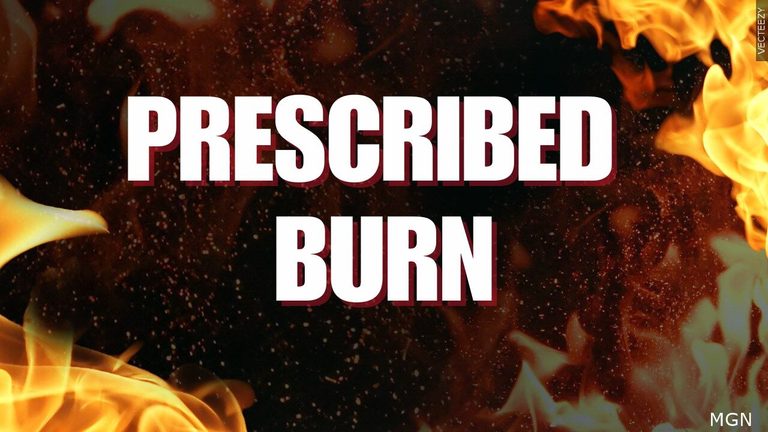
Residents of the southern Black Hills should expect a thin veil of smoke on Thursday as the U.S. Forest Service prepares to carry out a prescribed burn west of Custer. The operation, slated for Oct. 29, will treat about 702 acres in the Jasper Fire area, roughly 12 miles from the town.
Why the burn matters for families and communities
Forest Service officials explain that prescribed, or controlled, burns are a proven tool for reducing excess vegetation that can fuel catastrophic wildfires. By safely reducing grasses, dead timber and young pine trees, the burn helps safeguard nearby neighborhoods, critical infrastructure and the region’s treasured natural resources.
What to expect on the day of the burn
Certified fire specialists will lead the effort, but the operation remains contingent on final approval and favorable weather conditions. If winds, humidity and fuel moisture align, crews will ignite the designated area and monitor the fire’s progress. Smoke may be visible from surrounding communities during daylight hours, though officials anticipate it will dissipate by evening.
Safety measures and road closures
After the burn, crews will continue to patrol the site to ensure the fire is fully contained and the area is safe for public use. Temporary closures of nearby forest roads could be implemented if conditions warrant, so residents should stay alert for any posted notices or updates from the Forest Service.
Future prescribed burns in the Black Hills
The agency indicated that additional prescribed burns could be scheduled elsewhere in the Black Hills this fall, provided weather and fuel conditions remain suitable. These proactive steps are part of a broader strategy to protect the region from the increasing threat of large‑scale wildfires, which have become more frequent and severe in recent years.
How residents can stay informed
Officials ask community members not to call 911 to report the planned burn, as emergency responders will already be on scene. Instead, residents can follow updates through the U.S. Forest Service’s local communication channels, local news outlets, and any signage posted near affected forest roads.
By taking these precautionary measures now, the Forest Service hopes to preserve the safety of families, protect property, and maintain the natural beauty of the Black Hills for generations to come.
Original reporting: KOTA (Gray) – local — read the source article.