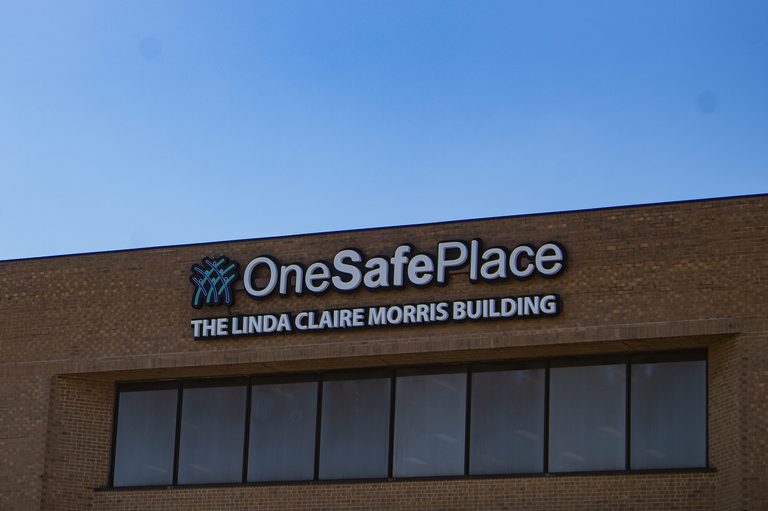
On Friday, Oct. 23, the Oregon Health Authority (OHA) announced updated safety rules for residential treatment facilities across the state. The changes broaden the circumstances under which a facility may remove a resident who presents a safety risk to staff or peers. The move follows months of public criticism from Marion County officials and input from behavioral‑health providers who warned that current policies left patients, employees, and the broader community vulnerable.
Why the update matters
Under the previous guidelines, facilities were limited in their ability to act when a resident exhibited violent or self‑harm behaviors. Critics argued that this restriction forced staff to manage dangerous situations without clear authority, increasing the risk of injury and undermining the therapeutic environment. By expanding the criteria for removal, the OHA aims to protect both the individuals receiving care and the professionals dedicated to their recovery.
Key elements of the new policy
- Facilities may now remove a resident who poses an imminent threat to the safety of staff, other residents, or the public.
- The decision must be documented and communicated to the resident’s family or legal guardian within 24 hours.
- Removed residents must be transferred to an appropriate level of care that can address their heightened safety needs.
- Facilities are required to develop clear, written protocols outlining the removal process and staff training requirements.
These provisions are designed to give treatment centers the tools they need while ensuring transparency and continuity of care for the affected individuals.
Local officials and providers welcome the change
Marion County Board Chair John Doe praised the update, stating, “Our community deserves treatment facilities that can act decisively to keep everyone safe. This policy gives our providers the authority they need while maintaining accountability.” Behavioral‑health providers echoed the sentiment, noting that the previous rules often left them in a legal gray area when confronting violent incidents.
Balancing safety and compassion
While the new rules expand removal authority, the OHA emphasized that they are not a blanket permission to discharge patients without cause. Each case must be evaluated on its merits, and facilities are required to coordinate with mental‑health professionals to ensure that residents receive appropriate follow‑up care. This balanced approach reflects a commitment to both safety and the therapeutic mission of residential programs.
What this means for families
Families of residents can expect clearer communication if a removal occurs. The mandated 24‑hour notice and requirement for a transfer plan aim to reduce uncertainty and ensure that loved ones remain involved in the care process.
Looking ahead
The OHA plans to monitor the impact of the new regulations and will convene a stakeholder advisory group later this year to assess outcomes and recommend any further adjustments. By involving providers, families, and county officials, the state hopes to create a sustainable safety framework that supports recovery while protecting the well‑being of all involved.
Overall, the updated safety rules represent a proactive step by Oregon’s health leadership to address legitimate concerns from local officials and the behavioral‑health community, reinforcing a safer environment for treatment facilities throughout the state.
Original reporting: Salem Reporter — read the source article.