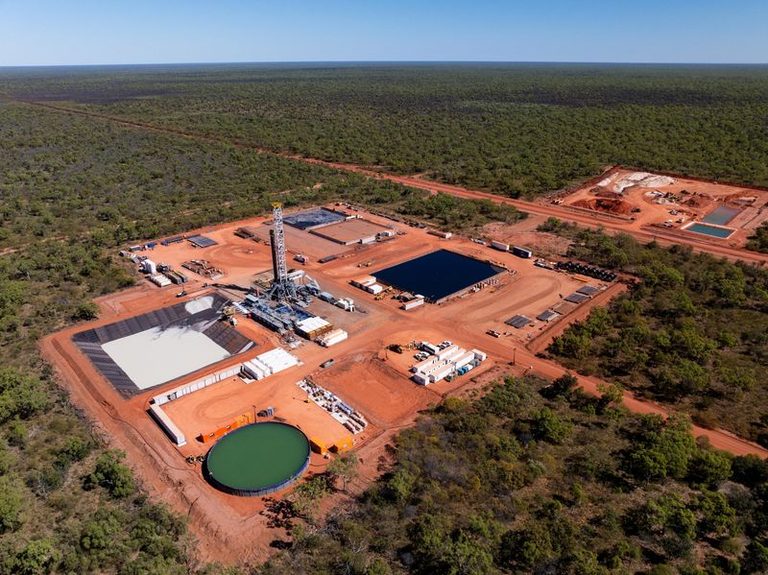
Darwin, Australia – The Beetaloo Basin, the nation’s first commercial shale gas play, is receiving a major boost from U.S. industry partners. Companies such as Baker Hughes, Halliburton and Helmerich & Payne have supplied high‑powered drilling rigs and technical expertise, while U.S. investors have poured roughly A$1 billion (about $722 million) into exploration and appraisal.
Why U.S. involvement matters
Project leader Tamboran Resources, a Texas‑based operator, says the American approach to scale and efficiency is essential for bringing well costs down by the 40‑60 % needed to make the basin economically viable. “This is the most supportive regime I’ve ever worked under, the most supportive government I’ve worked under, and that includes Texas,” said Tamboran CEO Todd Abbott during the ceremony marking the first 40 terajoules of gas sent to Darwin.
Learning from past mistakes
U.S. shale veterans on the team stress a disciplined focus on cash flow and EBITDA rather than simply drilling as fast as possible. Stephanie Reed, chief operating officer of Texas‑based Formentera Partners, noted that the Beetaloo team has already avoided many of the costly errors seen in older U.S. plays by prioritising reservoir performance and well‑decline analysis before expanding production.
Cost challenges and local solutions
Even with American equipment, drilling and completion costs in the remote Northern Territory remain higher than in mature U.S. basins. Halliburton’s Eastern Hemisphere president, Rami Yassine, said U.S. rig utilisation has fallen 30 % as efficiency improves, and industry executives estimate that well costs must fall another 40‑60 % for the project to reach its full potential.
Operators report roughly a 25 % improvement in completion efficiency between drilling campaigns, and one service provider estimates that continuous drilling could cut rig costs by about 30 %. Expanding local sand supply for hydraulic fracturing and building a domestic workforce are also seen as ways to reduce the need for long‑distance transport of equipment and materials.
Potential impact on Asian LNG markets
If the Beetaloo Basin can achieve the projected output of 1,000 terajoules per day – enough to feed two LNG trains – it could become a new source of liquefied natural gas for fast‑growing Asian economies. The project aligns with Australia’s broader goal of maintaining its position as the world’s second‑largest LNG exporter while diversifying supply sources.
Regulatory backdrop
The development proceeds amid new Australian policies aimed at limiting domestic gas use, a factor that could affect long‑term pricing and market dynamics. Nevertheless, the Northern Territory government remains fully supportive, recognising the strategic importance of a domestic shale gas supply for energy security and economic growth.
With U.S. technology, capital and lessons learned now part of the Beetaloo story, the partnership illustrates how trans‑Pacific collaboration can help unlock new energy resources while keeping a focus on fiscal responsibility and job creation for local communities.
Original reporting: Appleton, WI News Feed (HLL/CB) — read the source article.