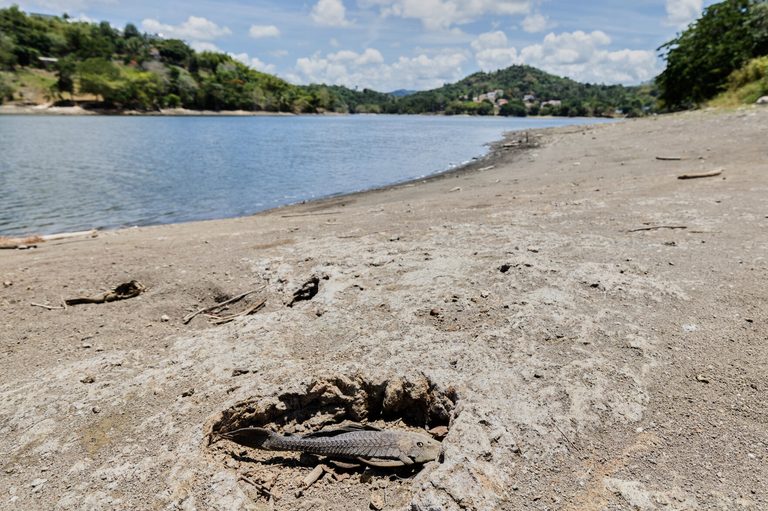
The Trump administration announced on Wednesday that a federal drought disaster has been declared for 26 municipalities in Puerto Rico, including Cabo Rojo, Ponce, Yauco, Aibonito and Lares. The declaration, issued by the U.S. Department of Agriculture, allows farmers and agricultural producers in the affected areas to apply for emergency loans to help offset losses caused by the severe and extreme drought now covering more than 60% of the island.
Local impact on farmers
Puerto Rico Agriculture Secretary Irving Rodríguez called the move “an important step” and urged producers to document their losses. One farmer, Naia Seda, who operates a 15‑acre farm in Lajas growing avocados, plantains, lemons and cassava, described cracked soil and withering crops after months without rain. “I’ve never seen something like this on my farm,” she said.
Many growers have seen irrigation deliveries cut from three times a week to once a week, and some have been forced to halt production entirely. Technical assistance provider Fello Pérez noted that hydroponic vegetable growers and fruit producers such as coffee, cacao, plantains and bananas are especially hard‑hit, with fruit turning green and dropping before ripening.
Broader water challenges
Governor Jenniffer González, who requested the disaster declaration more than two weeks ago, also declared a state of emergency in late July and activated the National Guard to transport, distribute and purify water. Early August saw water‑rationing measures imposed in San Juan and six other cities, affecting more than 180,000 customers on a rotating 48‑hour schedule. Large trucks now deliver water, prioritizing hospitals and senior residences.
Beyond the drought, Puerto Rico continues to grapple with aging water infrastructure. In May, San Juan Mayor Miguel Romero sued the island’s Water and Sewer Authority over longstanding pressure and supply problems, a dispute the governor says reflects decades of under‑investment.
Federal response and regional context
Meteorologists attribute the ongoing dryness to a natural warming cycle known as El Niño, which has also pushed the U.S. Virgin Islands into extreme drought. Earlier this month, the U.S. government declared a similar disaster for St. Thomas, St. John and St. Croix.
The disaster declaration is expected to provide critical financial relief to Puerto Rico’s agricultural sector, helping families preserve their farms and sustain the island’s food supply during an unprecedented climate challenge.
Original reporting: KTBS 3 (Shreveport) — read the source article.