Washington and Tehran remain at odds after a 60‑day deadline for a broader peace agreement lapsed without a breakthrough. President Donald Trump has publicly questioned whether Iran is prepared to accept the terms Washington deems essential for lasting stability.
Deadly Incident in the Strait of Hormuz
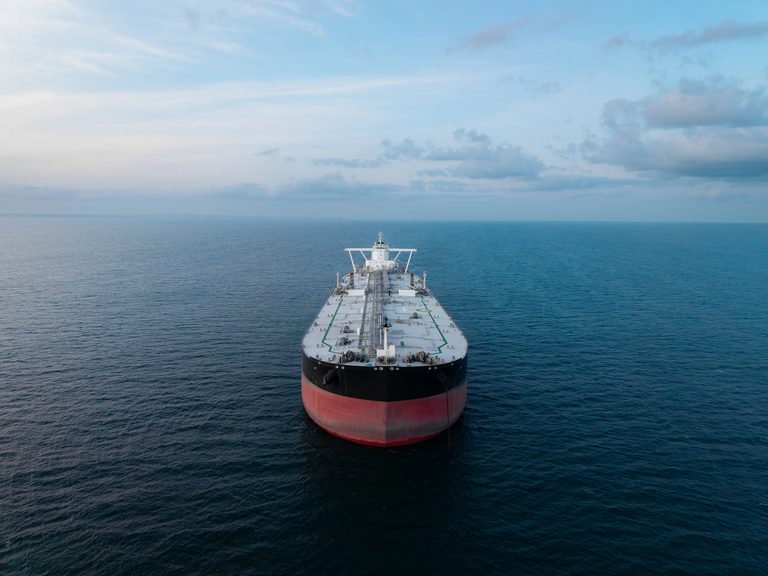
On Tuesday, a commercial ship leaving the strategic Strait of Hormuz was struck by an unidentified projectile. Maritime authorities reported damage to the vessel’s engine room and confirmed that one crew member was killed. The incident underscores the heightened risk to shipping lanes that carry a significant portion of the world’s energy supplies.
Regional Diplomatic Efforts
Iran and Oman have been holding talks to arrange safe commercial passage through the strait, but the recent attack has complicated those discussions. President Trump warned Oman against any actions that could interfere with U.S. efforts to secure the waterway, emphasizing the importance of the strait to global energy markets.
Iran’s Stance
Iran has warned that, should diplomatic avenues fail, it may adopt a more offensive military posture. Tehran’s officials have reiterated their willingness to negotiate, yet they remain skeptical of the conditions set by Washington.
Impact on Energy Markets
Disruptions to shipping through the Strait of Hormuz have already begun to affect energy prices, adding pressure on an already volatile market. Analysts note that continued instability could lead to higher fuel costs for consumers and businesses across the United States.
Looking Ahead
With the peace deadline passed and no new diplomatic breakthrough announced, the United States and Iran appear poised for a continued period of tension. Both sides have signaled a readiness to protect their interests, and the international community is watching closely as the situation develops.
Original reporting: WMAL (Washington DC) — read the source article.