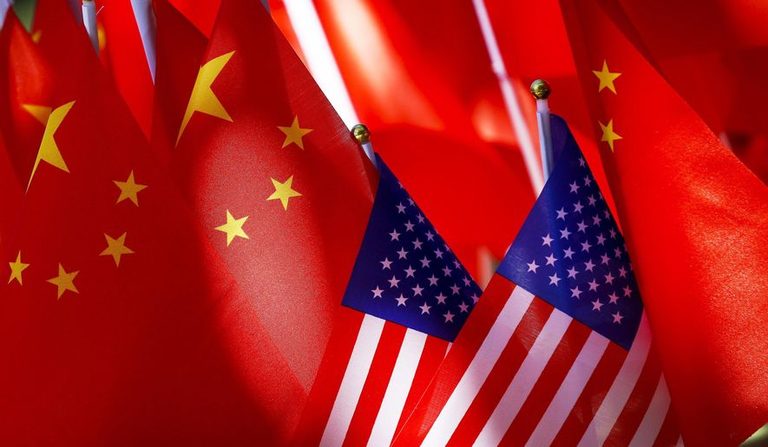
In a move aimed at safeguarding the rapid expansion of artificial intelligence, Treasury Secretary Scott Bessent said Monday that the United States and China have opened a direct line of communication to report alarming AI incidents. The “USA‑China AI Dialogue,” set up over the weekend with Chinese Vice Premier He Lifeng, will allow both superpowers to alert each other about uncontrolled AI agents or the misuse of AI by non‑governmental groups.
National Security and Economic Implications
Bessent emphasized that the responsibility for responsible AI development rests primarily with private labs and companies, not the federal government. He warned that granting liability waivers to AI firms would be “good business for them, bad business for the American people.” The Treasury secretary also noted that the Chinese side acknowledged the United States is currently ahead in AI capabilities.
President Trump’s Stance on Regulation
President Trump, speaking on Truth Social, cautioned against over‑regulating an industry he believes will become “bigger than the Industrial Revolution, or the Internet itself.” He said the Department of Justice and other law‑enforcement agencies are prepared to intervene if necessary, but stressed that the administration will “encourage AI or, SI (SUPER INTELLIGENCE)” rather than stifle its growth.
Upcoming Meetings and Diplomatic Context
The two nations plan to reconvene in Shenzhen in two months to further discuss AI safety protocols. The dialogue comes ahead of a state visit to the White House by Chinese President Xi Jinping, during which the leaders are expected to reaffirm their commitment to cooperation on emerging technologies.
Bessent dismissed recent online rumors about President Xi’s health, stating, “Everything’s a go, and we expect a great visit.” He also highlighted the personal rapport between President Trump and President Xi, noting that their relationship helps translate high‑level agreements into practical working‑level cooperation.
Balancing Innovation and Safety
While some critics call for stringent regulation of artificial intelligence, the Trump administration’s approach seeks to balance national security concerns with the economic promise of AI. By keeping the line of communication open and placing the onus on private innovators to act responsibly, the United States aims to maintain its leadership in a technology that could reshape the global economy.
Industry observers note that the AI sector continues to attract massive investment and is increasingly intertwined with financial markets. The administration’s policy seeks to protect American competitiveness while ensuring that dangerous AI incidents are promptly reported and addressed.
Original reporting: WMAL (Washington DC) — read the source article.