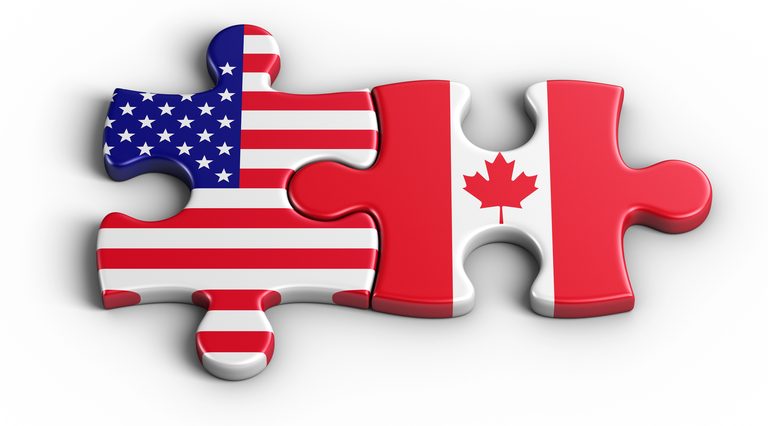
The United States and Canada are in the final stretch of negotiations aimed at averting steep new tariffs on Canadian goods. Federal officials have warned that if an agreement is not reached by the upcoming deadline, the United States could impose tariffs of up to 50% on roughly $20 billion worth of Canadian imports.
Key Issues on the Table
Negotiators are focusing on several long‑standing trade disputes that have lingered since the renegotiation of the North American trade framework. The primary sectors under discussion include steel, aluminum, automobiles and a range of agricultural products. Both sides say progress has been made, but several contentious points remain unresolved.
Alcohol Restrictions Re‑examined
One notable element of the talks involves provincial restrictions on U.S. alcohol that were introduced during earlier trade tensions. Canada is considering steps that would allow American liquor to return to Canadian store shelves, a move that could benefit U.S. producers and restore a market that has been limited for years.
Impact on Auto Manufacturing
The auto industry is especially sensitive to the outcome of the negotiations. Production networks for cars and trucks span the border, with parts and finished vehicles routinely crossing between the two countries. A tariff on Canadian auto parts or finished vehicles would raise costs for manufacturers and could lead to higher prices for consumers.
Potential Consequences of a Tariff Regime
If the deadline passes without a deal, the United States could levy 50% tariffs on a broad swath of Canadian imports, effectively raising the price of those goods for American consumers and businesses. Canadian exporters would face a sudden loss of market access, potentially prompting job cuts and reduced investment in sectors that rely heavily on U.S. demand.
What Comes Next
Both governments have signaled that they remain committed to finding a resolution, but the timeline is tight. Federal trade officials are expected to continue intensive talks in the coming days, with senior leaders from both countries monitoring the situation closely. Industry groups, particularly those in steel, aluminum, agriculture and automotive manufacturing, have urged lawmakers to support a swift and balanced agreement that protects domestic interests while preserving the long‑standing economic partnership between the United States and Canada.
Stakeholders on both sides are watching closely, aware that the outcome will shape cross‑border commerce for years to come. The next few weeks will determine whether the two nations can avoid a tariff escalation and maintain the free‑flow of goods that has underpinned their economic relationship for decades.
Original reporting: WMAL (Washington DC) — read the source article.